

Wisdom teeth, or third molars, are the last adult teeth to grow in. They usually begin to appear between ages 17 and 25. Some people may get an infected wisdom tooth if the tooth does not fully come through or is hard to keep clean. Spotting infected wisdom tooth symptoms early can help prevent bigger problems.
In this article, you’ll learn about infected wisdom tooth symptoms, what causes the infection, and how to handle it to keep your oral health in shape.
Why Do Wisdom Teeth Get Infected?
An infected wisdom tooth can occur when the tooth is partially erupted or impacted, making it difficult to clean. Food debris and bacteria can become trapped around the gum tissue. This can result in an infection referred to as pericoronitis.
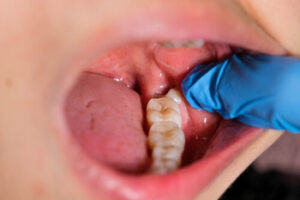 Common causes of wisdom tooth infection include:
- Impacted wisdom teeth that do not fully grow outside the gum
- Partially erupted wisdom teeth that trap food particles
- Poor oral hygiene leading to bacterial buildup
- Gum inflammation from wisdom teeth erupting
- Pre-existing gum disease or tooth decay
Common Infected Wisdom Tooth Symptoms
You may feel pain or notice other signs if your wisdom tooth is infected. It’s important to spot these symptoms early to prevent bigger problems. Here are some signs to look out for:
Persistent Gum Pain
Does your gum feel sore or painful near your wisdom tooth? A partially impacted wisdom tooth can cause gum pain that gets worse over time. The pain may also spread to your jaw, ear, or nearby teeth.
Swollen Or Red Gums
If your gums look puffy, red, or inflamed, it could mean there is an infection. Swollen gums can feel tender and may make it hard to brush your teeth properly.
Jaw Pain And Stiffness
An infected wisdom tooth may cause jaw pain, making it hard to open your mouth. In some cases, your jaw may feel stiff or swollen.
Bad Breath And Unpleasant Taste
If your breath smells bad after brushing or has a bad taste in your mouth, it could be due to trapped bacteria and food debris around the wisdom tooth.
Difficulty Chewing And Swallowing
Does it hurt when you chew or swallow? A wisdom tooth infection can make eating uncomfortable, especially with hot, cold, or crunchy foods.
Bleeding Gums
If your gum tissue around the wisdom tooth is infected, it may bleed easily when brushing, flossing, or eating.
Pus Formation
An infected wisdom tooth may sometimes cause pus to form near the gum line. This could mean there is a serious infection, and you may need to see a dentist as soon as possible.
Fever And General Discomfort
If the infection is severe, you may feel tired, have a mild fever, or notice swelling in your neck or jaw.
If you notice any of these wisdom tooth infection symptoms, it’s a good idea to talk to a dentist. They can help relieve discomfort and prevent future problems.
Complications Of Untreated Infected Wisdom Tooth
If an affected tooth is not addressed, it can lead to serious dental problems. The infection can spread, causing pain and discomfort.
Here are some problems that may happen if an infected wisdom tooth is ignored:
- Spread of infection to other teeth or the bloodstream
- Increased risk of gum disease
- Tooth decay in neighbouring back teeth
- Difficulty maintaining good oral hygiene
- Development of cysts or abscesses
Treatment Options For An Infected Wisdom Tooth
 If you have infected wisdom tooth symptoms, it’s important to see a dentist. They will check your wisdom teeth and suggest the best possible way to handle the infection. Here are some common treatment options:
Professional Cleaning And Oral Hygiene Guidance
A dentist can clean the area around your infected wisdom tooth to remove bacteria, food particles, and plaque. This helps reduce swelling and may prevent future infections. They may also give you tips on keeping your mouth clean and lowering the chances of gum infection.
Antibiotics
If the infection is too bad, your dentist may ask you to take antibiotics. These help fight the infection and reduce symptoms like swollen gums, jaw pain, and pus formation. However, antibiotics do not fix the root cause of the problem, so further treatment may still be needed.
Wisdom Tooth Removal
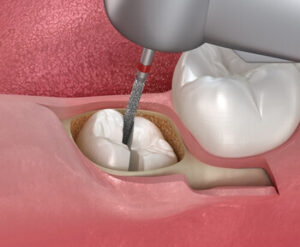
If your wisdom tooth infection keeps returning or causes other dental problems, your dentist may suggest wisdom tooth extraction. Removing the affected wisdom tooth can help stop the infection and prevent future problems.
What to Expect During Wisdom Tooth Removal
If your dentist suggests wisdom tooth removal, you might feel nervous, but it’s a very common and safe procedure. Here’s what you can expect during the process:
Preparation Before The Surgery
Before removing your wisdom tooth, your dentist will take X-rays of your teeth to see where the tooth is located. They will also ask about your medical history to make sure the procedure is good for you.
Numbing The Area
Your dentist will use local anaesthesia to be sure you don’t feel severe pain. This will make the area around the wisdom tooth feel numb. If you’re nervous, your dentist may offer a mild sedative to help you relax.
Removing The Wisdom Tooth
Once the area is numb, your dentist gently removes the wisdom tooth. If your tooth is impacted (not fully out), the dentist may need to make a small cut in your gum. Then, the tooth will be removed carefully.
Closing The Area
If the infected wisdom tooth is impacted, your dentist will place stitches (also called sutures) in the gum to help it heal.
After The Procedure
After the wisdom tooth extraction, your dentist will give instructions on caring for the area as it heals. This may include:
- Resting for a few hours after the procedure
- Using an ice pack on your cheek to manage swelling
- Taking pain medicine if needed
- Rinsing with warm salt water to keep the area clean
Frequently Asked Questions
Can I eat after wisdom tooth removal?
After your wisdom tooth removal, it is best to eat soft foods for a few days. Try smoothies, mashed potatoes, and soup. Avoid hard or sticky foods, as they can hurt the healing area.
Will I need to take time off work or school after wisdom tooth removal?
It depends on how you feel after the surgery. Many people take a few days off to rest. If you feel okay, you can go back to work or school sooner. But be sure to follow your dentist’s advice.
Can I drive after having my wisdom teeth removed?
If you had local anaesthesia, you could drive yourself home. But if you had a sedative, it’s better to have a friend or family member drive you home after the procedure.
Can I get my wisdom teeth removed if I’m older?
Yes, you can get your wisdom teeth removed at any age if they are causing problems. Yet, you may take longer to heal. Your dentist will help you decide on the best possible plan.
Conclusion
 It is very important to recognise the symptoms of an infected wisdom tooth early. This helps stop more problems and keeps your mouth healthy.
If you think your wisdom tooth might be infected, a dentist can help you choose the best possible treatment and stop future infections.
You’re in the right place if you think your wisdom tooth might be infected or have any questions!
Contact Dental 266 today at 02 9051 0600 to book an appointment with our friendly team in Burwood. We’re here to help you feel better and keep your smile healthy!
Disclaimer: Any surgical or invasive procedure carries risks. Before proceeding, you should seek a second opinion from an appropriately qualified health practitioner.
Sources
Rosenbloom C. The Best (and Worst) Foods to Eat After Wisdom Teeth Removal [Internet]. GoodRx. 2024 [cited 2025 Feb 5]. Available from: https://www.goodrx.com/conditions/dental-care/what-to-eat-after-wisdom-teeth-removal
Valeii K. 15 Remedies for Wisdom Tooth Pain Relief [Internet]. Verywell Health. 2024 [cited 2025 Feb 5]. Available from: https://www.verywellhealth.com/wisdom-teeth-pain-relief-8612564
Burch K. How To Know If You Need Your Wisdom Teeth Removed [Internet]. Business Insider. 2021 [cited 2025 Feb 5]. Available from: https://www.businessinsider.com/guides/health/dental/wisdom-teeth-removal
Sherrell Z. 4 Signs Your Wisdom Teeth are Coming in (When to See a Dr) [Internet]. NewMouth. 2024 [cited 2025 Feb 5]. Available from: https://www.newmouth.com/blog/signs-wisdom-teeth/