

Having your wisdom teeth removed is a common procedure, but it’s also one that requires careful attention during the recovery process. Many people wonder when it’s safe to drink alcohol after wisdom teeth removal. The short answer is that you should avoid drinking alcohol for a while after your oral surgery to prevent complications and allow your mouth to heal properly.
Let’s explore why alcohol can interfere with healing, how long you should wait, and what to do instead to support a successful recovery.
Understanding What Happens After Wisdom Teeth Removal
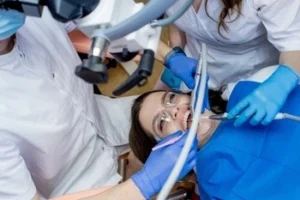
Wisdom teeth removal is an oral surgery performed by an experienced dentist. Whether it’s a simple extraction or a more complex surgical extraction involving a small incision, your dentist removes the tooth from the surrounding gum tissue and bone.
After the tooth has been removed, a blood clot naturally develops in the extraction site. This clot is essential for healing, as it shields the exposed bone and nerves from bacteria and food particles. If the clot becomes dislodged or dissolves, it can result in a painful condition known as dry socket, which slows down the healing process and leads to significant discomfort.
Why You Should Avoid Alcohol After a Tooth Extraction
Alcohol may seem harmless, but consuming alcohol after a tooth extraction can have several adverse effects on the healing process. Drinking alcohol too soon can disturb blood clotting, interfere with medications, and slow the recovery process.
It Can Disrupt the Blood Clot
After wisdom tooth surgery, the blood clot that forms in the surgical area is essential for recovery. Drinking alcohol can dissolve or dislodge this clot, exposing the bone and nerves underneath. This leads to dry socket, one of the most painful complications following oral surgery.
It Interferes with Pain Medications
If you’ve been prescribed pain relief medications or antibiotics, combining them with alcohol can cause harmful side effects. Alcohol consumption may interact with these medicines, reducing their effectiveness or leading to adverse reactions like nausea or dizziness.
It Weakens the Immune System
Your immune system plays a major role in repairing tissues after an extraction. Alcohol use can suppress immune function, increasing the risk of infection around the surgical area. To maintain a healthy mouth, it’s important to avoid alcohol until your oral tissues have fully healed.
How Long Should You Wait Before Drinking Alcohol?
 Many dental professionals recommend waiting at least a week before resuming alcohol use after wisdom teeth removal. Healing time may differ based on how complex the procedure is and the condition of your overall oral health.
For simple extractions, recovery might take only a few days, while surgical extractions may require more time for the gum tissue and blood vessels to heal completely. Be sure to follow your dentist’s post-operative guidelines closely, as they can offer tailored advice specific to your individual condition.
What Happens If You Drink Alcohol Too Soon?
If you drink alcohol before your mouth has fully healed, several complications can arise.
Increased Bleeding and Swelling
Alcohol can thin the blood, which may result in excessive bleeding around the area where the tooth was extracted. It may also worsen swelling and inflammation, prolonging the healing process.
Dry Socket Development
As mentioned earlier, drinking alcohol too soon can dissolve the blood clot, leading to dry socket. This painful condition often causes severe pain that radiates to the ear or jaw and requires immediate treatment by a dental professional.
Delayed Healing and Infection
The sugars and acids in alcoholic beverages can irritate the surgical area and introduce bacteria into the wound. This may result in infection, delayed healing, or even the need for further dental treatment.
Refreshing and Healing Alternatives to Enjoy During Recovery
During recovery, it’s best to stay away from your alcohol cabinet and choose gentler drinks that support healing instead.
Water and Hydration
Staying hydrated is crucial. Water helps rinse away bacteria and food debris from the mouth while keeping the tissues hydrated, promoting a smoother and faster healing process. Avoid using straws and do not rinse your mouth vigorously for the first few hours to protect the blood clot.
Sparkling Water and Other Non-Acidic Drinks
If you’re craving something more refreshing, once your dentist approves, opt for plain sparkling water or diluted fruit juice. Avoid acidic drinks like citrus juices, as these can irritate the extraction site.
Soft Foods and a Balanced Diet
While it’s not a beverage, your diet also plays a big role in healing. Choose soft, nutritious foods that are easy to chew and won’t disturb the surgical extraction site. Soups, mashed potatoes, and smoothies (without alcohol) can help you maintain energy while you recover.
 When It’s Safe to Resume Alcohol Consumption
 When It’s Safe to Resume Alcohol Consumption
You can usually resume alcohol use once your extraction site has healed and you are no longer taking pain medications or antibiotics. This generally happens after about a week, though more complex cases may take longer.
When resuming alcohol, start slowly and choose beverages that are less acidic or sugary to avoid irritating your mouth. Keep in mind that moderation is essential, and prioritising your oral health should always come first.
Tips for a Smooth Recovery Process
Recovering from wisdom tooth surgery takes time and care. Here are some simple steps to support a successful recovery:
- Follow postoperative instructions from your dentist carefully.
- Avoid alcohol and tobacco products until your dentist gives the all-clear.
- Stay hydrated with water and non-acidic drinks.
- Keep your mouth clean by gently rinsing with salt water after meals (once permitted).
- Avoid spitting or rinsing your mouth vigorously for the first few hours after surgery.
- Rest well and allow your body to focus on healing.
- Contact your dental professional if you experience severe pain, bleeding, or signs of infection.
When to Seek Help from Your Dentist
If you’ve already consumed alcohol after a tooth extraction and experience unusual pain, swelling, or bleeding, reach out to your dentist immediately. These may be signs of complications such as dry socket or infection.
A dental professional can examine the surgical area and provide pain relief medications or other treatments to promote healing. Don’t try to manage symptoms on your own, as doing so may delay recovery.
Final Thoughts: Can You Drink Alcohol After Wisdom Teeth Removal?
 So, can you drink alcohol after wisdom teeth removal? The answer is no, not immediately. Avoiding alcohol for about a week helps protect the blood clot, prevent complications, and ensure a smooth recovery process.
Drinking alcohol too soon after oral surgery can lead to delayed healing, dry socket, or other painful conditions. Waiting until your mouth is fully healed gives your body the best chance for a healthy and successful recovery.
If you have any concerns about your healing progress or want guidance on resuming alcohol safely, consult your dental professional. Taking care of yourself after a wisdom tooth surgery may require a little patience, but your mouth will thank you for it in the long run.
For personalised recovery advice or post-surgery care, book a consultation with Dental 266 at 02 9051 0600 to ensure a smooth and healthy healing process.
Note: Any surgical or invasive procedure carries risks. Before proceeding, you should seek a second opinion from an appropriately qualified health practitioner.
References
Cleveland Clinic. (n.d.). Wisdom teeth removal. Retrieved from https://my.clevelandclinic.org/health/treatments/22119-wisdom-teeth-removal
NHS. (n.d.). Water, drinks and nutrition. Retrieved from https://www.nhs.uk/live-well/eat-well/food-guidelines-and-food-labels/water-drinks-nutrition/
Mayo Clinic. (n.d.). Dry socket: Symptoms and causes. Retrieved from https://www.mayoclinic.org/diseases-conditions/dry-socket/symptoms-causes/syc-20354376#:~:text=Dry%20socket%20is%20a%20painful,before%20the%20wound%20has%20healed.