

Many people believe that braces are just for teenagers, but the truth is that orthodontic treatment is not limited by age. Whether you’re in your 30s, 40s, 50s, or beyond, it’s never too late to achieve a healthy, beautiful smile. More adults than ever are exploring orthodontics to correct crooked teeth, improve oral health, and boost their confidence.
In this guide, we’ll explore, can adults have braces? Know the different treatment options available, what to expect during treatment, and how you can make the process smooth and effective.
Why Adults Are Choosing Braces More Than Ever
It’s common for adults to assume they’ve missed the window for braces, but that’s far from true. Orthodontic treatment for adults is now more common than ever, driven by modern technology and the availability of subtle treatment options. Many adults now realise the benefits go far beyond appearance. Having straight teeth makes cleaning much easier, which helps lower the potential of tooth decay and gum disease while supporting overall oral health.
Even if you had braces as a teenager, teeth can shift over time. Starting orthodontic treatment again as an adult can help correct these changes and restore proper alignment.
How Braces Work for Adults
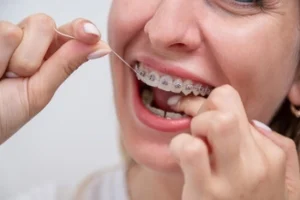 Orthodontic treatment works by gently applying pressure to your teeth and jaws over time, encouraging them to move into better positions. This process is effective at any age, as long as your teeth and gums are healthy. Adults may experience slightly longer treatment times than teenagers because their jawbones are fully developed, but the results are worth the wait.
During your initial consultation, a qualified dentist will carefully examine your teeth, gums, and tooth enamel to develop a personalised treatment plan that matches your specific needs and goals.
Different Types of Braces Available for Adults
One of the key benefits about getting braces as an adult is the variety of treatment options available. Whether you’re looking for something discreet or don’t mind traditional braces, there’s a solution to suit every lifestyle and preference.
Traditional Metal Braces
Traditional metal braces reiman to be a highly effective solution for straightening misaligned teeth, including for adults seeking orthodontic treatment. They include metal brackets and wires to gradually move teeth into place. While they’re more noticeable, they’re also very reliable for complex orthodontic issues.
Ceramic Braces
Ceramic braces function in a similar way to traditional metal braces but use tooth-coloured brackets designed to blend seamlessly with your teeth. They’re less noticeable and a great choice if you want a more discreet treatment option while still benefiting from the effectiveness of fixed braces.
Lingual Braces
Lingual braces are placed at the back side of your teeth, making them completely invisible from the front. They offer powerful results but can be more challenging to clean and may take longer for you to get used to.
Clear Aligners
Clear aligners, such as Invisalign, are removable trays made from clear plastic that gradually straighten your teeth. They’re one of the most popular options for adult orthodontics because they’re nearly invisible and allow you to continue your daily life without major disruptions. They can be taken out easily for meals and cleaning, but should be worn for the majority of the day to achieve the most effective results.
What to Expect During Adult Orthodontic Treatment
Adults adapt quickly to braces, and most find that undergoing treatment is easier than they expected. During the first few days, you might experience mild discomfort as your teeth start to shift, but this usually subsides. Eating soft foods can help during this adjustment period.
Regular visits to your dentist are necessary to monitor progress and make adjustments. Good oral hygiene is essential throughout treatment to prevent tooth decay and gum disease. Brushing and flossing carefully around your braces will help keep your teeth and gums healthy.
Treatment times vary based on your needs and the type of braces you choose, but most adults usually wear braces for 12 to 24 months. In some cases, it might take slightly longer.
Top Reasons to Consider Braces as an Adult
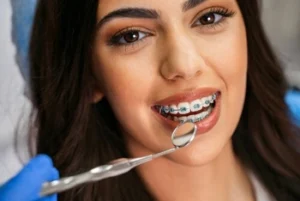 Deciding to straighten your teeth as an adult provides many lasting benefits that go far beyond simply improving your smile’s appearance. Here’s what you can expect:
- Improved oral health and easier cleaning, reducing the risk of gum disease and cavities.
- Better bite alignment, which can improve chewing, speech, and jaw function.
- Enhanced self-assurance in both professional and social settings.
- Prevention of future dental issues caused by misaligned teeth.
Orthodontic treatment is a remarkable investment in your health and wellbeing that can pay off for years to come.
Costs, Insurance, and Financial Considerations
The cost of adult braces can differ based on the type of treatment you choose and how complex your dental needs are. Traditional metal braces are generally the most cost-effective choice, whereas options like clear aligners and lingual braces are often more expensive. Some dental insurance plans include partial coverage for adult orthodontic treatment, so it’s a good idea to confirm with your provider. Additionally, many dental clinics offer flexible payment plans to help make treatment more affordable and easier to manage.
Final Thoughts: It’s Never Too Late for a Healthier Smile
So, can adults have braces? Absolutely. Age is not a barrier to achieving straight teeth, a healthier mouth, and renewed confidence. With today’s discreet treatment options like ceramic braces, lingual braces, and clear aligners, orthodontics fits seamlessly into adult life.
If you’re considering starting orthodontic treatment, book an initial consultation with Dental 266 at 02 9051 0600. They can guide you through the most effective treatment options for your needs and help you take the first step towards a smile you’re proud of.
References
Mayo Clinic. (n.d.). Dental care: How to keep your teeth healthy. Retrieved from https://www.mayoclinic.org/healthy-lifestyle/adult-health/in-depth/dental/art-20047475
Cleveland Clinic. (n.d.). Teeth braces: Types, procedure & care. Retrieved from https://my.clevelandclinic.org/health/treatments/24601-teeth-braces