

Crooked teeth are more common than you might think. Whether it’s a slight overlap, a few misaligned teeth, or more noticeable crowding, many people seek ways to correct crooked teeth not just for cosmetic reasons but also for their oral health. Fortunately, modern dental techniques now offer multiple effective solutions to help you achieve straighter teeth with comfort and ease.
Let’s explore why teeth become crooked, the problems they can cause, and how to fix crooked teeth for a confident and healthy smile.
Why Do Teeth Become Crooked?
Crooked or misaligned teeth can arise from many different factors, and identifying the underlying cause is key to choosing the right treatment.
Genetics and Jaw Size
Sometimes, misaligned teeth are simply inherited. If a parent has a small jaw or crowded teeth, their child’s teeth may follow a similar pattern. If the jaw does not align with the teeth, overlapping or spacing problems may occur.
Habits During Childhood
Behaviours such as prolonged thumb sucking, persistent tongue thrusting, or prolonged dummy use can alter a child’s dental and jaw development. These behaviours put pressure on the upper and lower teeth, sometimes pushing them out of alignment. Prolonged thumb sucking or the premature loss of baby teeth can also lead to crooked permanent teeth later on.
Dental and Health Problems
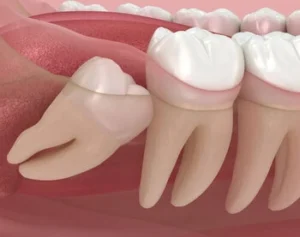 Other factors, such as gum disease, missing teeth, or facial injury, can also cause teeth to shift. If a tooth is missing, surrounding teeth may gradually move into the gap, leading to alignment problems. Similarly, untreated periodontal disease can weaken the jawbone and lead to tooth movement.
Even lifestyle factors like eating too many processed foods can reduce jaw strength, while teeth grinding and misaligned jaw muscles can contribute to uneven wear and strain.
Why Fixing Crooked Teeth Matters
While many people want to fix crooked teeth for aesthetic reasons, there’s more to it than appearance. Misaligned or crooked teeth can create issues that affect your oral health as well as your broader well-being.
Oral Health Issues
When teeth overlap or crowd together, they can be harder to clean properly. This can raise your chances of developing tooth decay, gum disease, and even more advanced periodontal disease if it is not addressed. Food can become trapped easily, allowing plaque to accumulate and harm both the teeth and the nearby gums.
Jaw and Muscle Strain
When the jaw is out of alignment, it can place extra strain on the jaw muscles, resulting in discomfort, headaches, and uneven wear on certain teeth. In severe cases, it may even cause problems with chewing or digestion if the bite isn’t properly aligned.
Speech Difficulties and Self-Esteem Issues
Crooked teeth can sometimes affect the way you speak, leading to speech difficulties or lisping. For many people, having misaligned teeth can also impact self-esteem, making them hesitant to smile or talk openly.
Straightening crooked teeth can improve your oral health while also giving you a boost in self-esteem.
How to Fix Crooked Teeth: Your Treatment Options
Modern orthodontic treatment has come a long way. Whether your case involves slightly crooked teeth or severe misalignment, there are several ways to correct crooked teeth and achieve a straighter smile.
Traditional Metal Braces
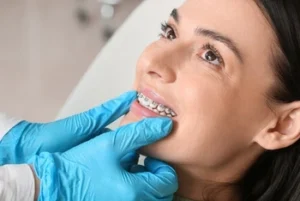 Metal braces have been trusted for many years, using brackets and wires to slowly guide the teeth into the right position. These braces are highly effective for fixing severe cases of crowded or overlapping teeth, and they can be adjusted as the treatment progresses.
While traditional metal braces are visible, they remain one of the most cost-effective and powerful methods to fix crooked teeth and align both upper and lower teeth.
Ceramic Braces
Ceramic braces function much like metal braces but feature clear or tooth coloured brackets rather than metal components. They are less noticeable and often preferred by adults who want a more discreet option. The tooth coloured brackets match the natural shade of your teeth while still offering the same level of strength and control as traditional braces.
Lingual Braces
For a more hidden approach, lingual braces are fixed to the inner surface of the teeth, facing the tongue. This makes them nearly invisible from the front. They are ideal for people who want the effectiveness of metal braces without the visible brackets.
However, lingual braces can take some time to get used to, as they may initially affect speech or cause slight tongue irritation.
Clear Aligners
Clear aligners, often made from clear plastic, are one of the most popular modern alternatives to braces. These removable aligners sit comfortably over your teeth and shift them little by little into the correct position. Since they are removable, you can take them out for eating and brushing, which helps maintain good oral hygiene.
With this method, you wear a series of individually crafted clear aligners, switching to a new set every few weeks as progress is made. This option is best suited for mild to moderate misalignment and offers the advantage of comfort, convenience, and discretion.
Orthodontic Treatment for Children
Fixing crooked teeth early can prevent more serious dental issues later in life. A child’s teeth are easier to move since the jawbone is still developing. If your child has crowded or misaligned teeth, early orthodontic evaluation can identify potential problems like upper teeth overlap or a misaligned jaw.
For young children, interceptive orthodontic treatment might involve space maintainers or removable aligners to guide the growth of adult teeth properly.
In Some Cases, Oral Surgery May Help
When misalignment is caused by skeletal issues or severe crowding, oral surgery might be required. Procedures like jaw realignment or the extraction of impacted wisdom teeth can create more space or correct jaw positioning before starting orthodontic treatment.
Oral surgery is usually reserved for severe cases where the jaw structure or tooth positioning cannot be corrected with braces or aligners alone. A dental professional can evaluate whether surgery is necessary as part of your treatment plan.
Restorative Solutions for Minor Crookedness
For slightly crooked or chipped teeth, cosmetic treatments like composite resin bonding or veneers can help improve appearance. These solutions don’t move the teeth but rather reshape or cover them to create a more even look. They are ideal when the issue is mainly aesthetic rather than structural.
However, if the crookedness affects your bite or oral function, orthodontic treatment remains the best long-term option.
Maintaining Your New Straight Smile
Getting your crooked teeth fixed is just the beginning. After your treatment finishes, it is important to follow proper oral hygiene habits and wear your retainers as advised to keep your teeth straight and healthy.
Good Oral Hygiene Habits
Brush twice a day using fluoride toothpaste, floss daily, and visit your dentist regularly. Straight teeth are easier to clean, but neglecting hygiene can still lead to gum problems and tooth decay.
Avoid Certain Foods and Habits
Sticky or hard foods can damage braces or aligners, while teeth grinding or jaw clenching can cause excess wear. If you grind your teeth, a night guard can help protect your new smile.
Maintaining balanced nutrition and avoiding sugary or processed foods can also support gum and bone health.
 How Long Does Treatment Take?
 How Long Does Treatment Take?
The length of treatment differs depending on how severe the misalignment is and which method you choose. Traditional braces may take 18 to 24 months, while clear aligners can take as little as 6 to 12 months for minor cases. Your dental professional will track your progress and adjust your treatment as your teeth shift into position.
Final Thoughts: Straightening Your Teeth for Health and Confidence
Crooked teeth are not only an appearance issue. If ignored, they can contribute to gum disease, jaw strain, and various oral health problems. Fortunately, with today’s advanced orthodontic treatments, it’s easier than ever to fix crooked teeth and achieve a healthy, balanced smile.
Whether you choose traditional braces, ceramic brackets, or clear aligners, straightening your teeth can improve not only your bite and oral health but also your overall confidence. Regular dental checkups, good hygiene, and the right treatment plan will help you enjoy straight teeth that last a lifetime.
If you are thinking about correcting crooked teeth or want personalised guidance, book a consultation with Dental 266 at 02 9051 0600 to explore the most suitable options for your smile.
Note: Any surgical or invasive procedure carries risks. Before proceeding, you should seek a second opinion from an appropriately qualified health practitioner.
References
Mayo Clinic. (2023, February 24). Periodontitis – Symptoms and causes. Mayo Clinic. https://www.mayoclinic.org/diseases-conditions/periodontitis/symptoms-causes/syc-20354473
Santhakumar, S. (2022, February 7). What to know about metal braces: Uses, costs, benefits and more. Medical News Today. https://www.medicalnewstoday.com/articles/metal-braces-uses-costs-benefits-and-more-2
Cleveland Clinic. (n.d.). Oral hygiene: Best practices & instructions for good routine. Cleveland Clinic. https://my.clevelandclinic.org/health/treatments/16914-oral-hygiene