
After dental implant surgery, your mouth needs time to heal. What you eat during this period can either support recovery or slow it down. A well-planned soft food diet provides the nutrients you need while protecting the surgical site from irritation or infection.
This guide offers 50 soft foods to eat after dental implant surgery, helping you recover comfortably while enjoying a varied and nourishing diet.
Why Soft Foods Are Important After Dental Surgery
 After any dental procedure, especially dental implants or wisdom tooth extraction, your gums and jaw are sensitive. The healing phase requires gentle care, and eating soft foods reduces strain on the surgical site. It also prevents the blood clot from forming and shields the gum tissue underneath.
Hard, crunchy, spicy, and acidic foods can cause pain, delay the healing process, or even lead to complications like dry socket. Soft foods are gentle to chew and swallow, allowing your mouth to recover comfortably as you slowly transition back to your regular diet.
The First Stage: Smooth and Liquid Foods
During the first few days after surgery, your diet should be smooth and mostly liquid. These foods are soothing, easy to swallow, and reduce irritation.
- Broth
- Smooth soups (pumpkin, carrot, or cauliflower)
- Mashed potatoes
- Sweet potato mash
- Oatmeal or porridge
- Smoothies made with soft fruits and milk
- Protein powder blended into a shake
- Applesauce
- Yoghurt
- Pudding
These options keep your body fuelled without disturbing your healing gums. Avoid extremely hot foods and hot beverages, as they can damage the blood clot and increase swelling.
The Transition Stage: Soft and Creamy Meals
Once you feel more comfortable, you can move on to foods with a bit more texture. They should still be soft enough to chew with minimal effort.
- Scrambled eggs
- Cottage cheese
- Mashed avocado
- Refried beans
- Baked beans
- Creamed corn
- Mashed peas
- Polenta
- Risotto
- Rice pudding
These choices provide a mix of carbohydrates, healthy fats, and protein intake, all essential for promoting healing and maintaining energy during recovery.
Soft Proteins to Support the Healing Process
Protein helps rebuild gum tissue and strengthens the surrounding bone, which is vital after dental implant surgery. Try these gentle protein-rich options:
- Shredded chicken
- Poached or soft fish such as salmon
- Soft tofu
- Lentils cooked until tender
- Steamed eggs or omelettes
- Pureed chickpeas
- Minced turkey or beef cooked until very soft
- Soft scrambled tofu
- Smooth nut butter
- Silken tofu blended into soups or smoothies
These foods give your body the strength it needs to recover while being gentle on your teeth and gums.
Fruits and Vegetables That Go Down Easily
Fruits and vegetables are key sources of vitamin C, fibre, and antioxidants that promote healing. They must be cooked, mashed, or blended to avoid irritating the surgery site.
- Steamed carrots
- Steamed zucchini
- Soft pumpkin mash
- Mashed banana
- Stewed pear
- Stewed peach
- Cooked spinach
- Soft cauliflower mash
- Blended vegetable soup
- Cooked apple puree
These options help keep your diet balanced without the risk that comes with raw vegetables or crunchy fruits.
Cool and Refreshing Options for Comfort
Cool foods can reduce inflammation and ease discomfort, especially in the days immediately following your dental implant surgery. Choose foods that are chilled but not frozen solid.
- Jelly
- Custard
- Smooth ice cream (without nuts or crunchy toppings)
- Chilled smoothies
- Cold mashed fruit blends
- Soft yoghurt parfaits
- Chilled soups like cucumber or pumpkin
- Milkshakes
- Fruit puree bowls
- Blended oats with yoghurt and honey
These cool, creamy options can calm sore gum tissue and provide relief while your mouth heals.
Foods and Drinks to Avoid
Certain foods can interfere with recovery or irritate your gums. Avoid crunchy foods, spicy foods, acidic foods, and chewy foods during this time. Steer clear of:
- Raw vegetables like carrots or celery
- Orange juice, tomato sauce, or other acidic juices
- Hard bread or crackers
- Extremely hot foods and hot beverages
These can cause discomfort or even disturb the healing process of your dental implants.
Tips for Eating Safely After Dental Implant Surgery
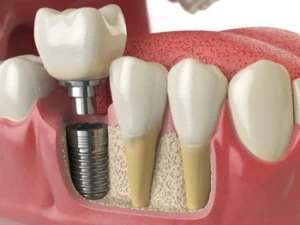
- Eat slowly and chew gently on the opposite side of your surgery site.
- Let all foods cool to room temperature before eating.
- Rinse your mouth gently with salt water after meals to keep the area clean.
- Stay hydrated with water, milk, or mild non-acidic juices.
- Avoid using a straw, as the suction can dislodge the blood clot.
Following these steps helps maintain the integrity of your implant site and keeps the healing process on track.
Creating Balanced Meals from Soft Foods
Even though your diet is limited, you can still create balanced and satisfying meals. Try combinations like:
- Mashed sweet potato with steamed spinach and soft fish
- Scrambled eggs with mashed avocado on soft bread
- Lentil soup with soft tofu pieces
- Yoghurt smoothie with banana and protein powder
- Rice pudding with blended peaches
These meals are rich in nutrients, gentle on the gums, and easy to prepare.
When to Reintroduce Regular Foods
Most patients can start introducing solid foods one to two weeks after dental surgery, depending on the complexity of their treatment and how well the gums and surrounding bone have healed. If you experience pain or pressure while chewing, return to softer meals and check with your dental professional.
Your dentist will advise you on the right time to safely return to your normal eating routine. Trying to eat chewy or crunchy foods too soon may strain the implant site.
Bringing It All Together: Healing Starts with What You Eat
 Eating after dental implant surgery doesn’t have to feel restrictive. With these 50 soft foods, you can nourish your body, protect your gum tissue, and support a smooth recovery without boredom or repetition.
Stick to gentle, nutrient-dense meals, stay hydrated, and allow your mouth to heal at its own pace. Once your dental professional confirms full healing, you’ll be ready to enjoy your favourite foods again, this time with stronger, healthier teeth. If you’re planning your dental implant journey in Burwood, our experienced team is here to support you from consultation through to recovery.
For expert post-surgery guidance and ongoing implant care, reach out to Dental 266 at 02 9051 0600 for professional support and tailored advice.
Note: Any surgical or invasive procedure carries risks. Before proceeding, you should seek a second opinion from an appropriately qualified health practitioner.
References:
- Hill, C., & Kelly, E. (2025, May 20). 20 foods that are high in vitamin C. Healthline. https://www.healthline.com/nutrition/vitamin-c-foods
- Mayo Clinic Staff. (2023, July 18). Dry socket – Symptoms and causes. Mayo Clinic. https://www.mayoclinic.org/diseases-conditions/dry-socket/symptoms-causes/syc-20354376
- U.S. National Library of Medicine. (n.d.). Protein in diet: MedlinePlus Medical Encyclopedia. MedlinePlus. https://medlineplus.gov/ency/article/002467.htm