
If you have ever wondered what enamel is made of, you are not alone. Many people think of enamel as simply the hard white shell around teeth, but it is far more complex and remarkable than it looks. Tooth enamel plays a vital role in protecting teeth from daily wear, acid attack, bacteria and chewing forces. It is also one of the most unique substances in the human body.
Understanding what enamel is made of helps explain why tooth decay happens, why damaged enamel cannot grow back, and how everyday habits either strengthen tooth enamel or contribute to enamel degradation. This knowledge is especially important for anyone looking to protect their permanent teeth for life.
Understanding tooth enamel as the outer shield of your teeth
 Tooth enamel is the outer layer that covers the tooth surface. It forms the visible greyish-white layer that most people associate with a healthy smile. Although enamel appears smooth and solid, it is actually a highly organised, completely mineralised structure.
Unlike other parts of the body, enamel contains no blood vessels, no blood or nerve supply and no living cells. This makes it incredibly strong, but also means it cannot repair itself once damaged. Enamel protects the softer layers underneath, including the layer called dentin and the nerve-rich pulp.
In dentistry, enamel is often described as the hardest substance in the human body. It is even harder than bone and shares surprising similarities with glass in terms of mineral content and brittleness.
What is enamel made of at a microscopic level?
At its core, the answer to what enamel is made of lies in minerals. Around 96% of tooth enamel is made from minerals, primarily calcium phosphate. These minerals form tightly packed crystals known as hydroxyapatite. This crystal arrangement is what gives enamel its reputation as the hardest material in the human body.
The remaining portion of enamel includes small amounts of water and organic materials. While these organic components are minimal, they play an important role during enamel formation and early development.
Because enamel is so highly mineralised, it is often described as a calcified tissue. In fact, enamel is the most mineral-dense tissue found in the human body.
The microscopic structure that makes enamel remarkably strong
When viewed under a microscope, enamel has a distinctive enamel structure made up of enamel rods and interrod enamel. These rods run from the dentin layer outward to the tooth surface, creating strength and resistance to cracking.
Interrod enamel surrounds these rods and helps bind them together. This complex enamel matrix allows enamel to withstand intense chewing forces, grinding, and pressure that would easily damage softer tissues.
This organised structure is one reason enamel protects teeth so effectively during daily activities like biting and chewing.
How enamel forms before a tooth erupts
Enamel formation is a highly specialised process that begins long before a tooth erupts into the mouth. During early development, specialised cells create the enamel matrix. This matrix acts as a scaffold where minerals such as calcium and phosphate are deposited.
As the process continues, enamel becomes completely mineralised. Once the tooth erupts, the cells responsible for enamel formation disappear. This is why enamel cannot regenerate later in life, unlike bone or skin.
Any disruption during this formation process can result in enamel hypoplasia. This condition leads to thin, weak or poorly formed enamel that is more vulnerable to decay and further damage.
Why does enamel have no blood or nerve supply?
One of the most misunderstood aspects of enamel is its lack of a nerve supply and blood vessels. Unlike dentin or pulp, enamel contains no nerves, no blood vessels and no living cells.
This is why enamel damage itself does not cause pain. Sensitivity or pain usually begins when decay or erosion reaches the dentin layer beneath the enamel. Dentin contains microscopic tubules that connect to the nerve supply inside the tooth.
Because enamel lacks a blood or nerve supply, it cannot heal or repair itself once damaged.
Enamel versus dentin and other tooth layers
Each tooth is made up of multiple layers, each with a specific role. Enamel sits on top as the outer layer. Beneath it lies dentin, which is softer, yellow in colour and more sensitive. Below the dentin is the pulp tissue, which contains nerves and blood vessels.
While enamel is the hardest substance in the human body, dentin is more flexible. This combination helps teeth absorb pressure without fracturing. If enamel wears away, the underlying dentin becomes exposed, increasing sensitivity and the risk of decay.
How enamel protects teeth every day
Enamel protects teeth from a wide range of challenges. It acts as a barrier against bacteria, acids, temperature changes and mechanical wear. Every time you eat, drink or chew, enamel absorbs the force and shields the softer tooth layers underneath.
Enamel also helps maintain the shape and thickness of teeth, supporting proper chewing and alignment. Without healthy enamel, teeth would wear down rapidly and become vulnerable to infection.
The role of acid and bacteria in enamel degradation: How acid attacks lead to tooth decay
One of the main threats to enamel is acid. An acid attack occurs when acids in the mouth begin to dissolve the minerals in enamel. These acids often come from bacteria feeding on sugars, as well as acidic foods and drinks.
Soft drinks, fruit juices and frequent snacking expose teeth to repeated acid attacks. Over time, this leads to enamel degradation and tooth decay.
Stomach acid can also damage enamel, especially in people with reflux or frequent vomiting. Because enamel cannot repair itself, repeated exposure causes irreversible damage.
Bacteria and plaque activity
Bacteria naturally live in the mouth, but problems arise when oral hygiene is poor. Bacteria feed on sugars and produce acid as a byproduct. This acid weakens enamel and creates microscopic pores in the tooth surface.
If this process continues without intervention, decay progresses deeper into the tooth, eventually reaching dentin and the nerve supply.
Teeth grinding and physical wear on enamel.
 Teeth grinding places intense pressure on enamel, especially during sleep. Over time, grinding can flatten the tooth surface, reduce enamel thickness and expose dentin.
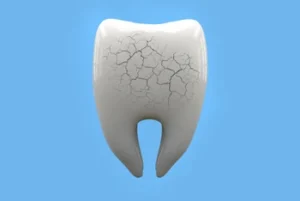
Because enamel is extremely hard but brittle, excessive grinding can also cause microfractures. These cracks allow bacteria and acid to penetrate deeper, increasing the risk of decay and sensitivity.
Dental professionals often recommend protective strategies to reduce enamel wear caused by grinding.
Enamel hypoplasia and developmental defects
Enamel hypoplasia occurs when enamel does not form properly during development. This can result in thin enamel, pits, grooves or uneven surfaces.
People with enamel hypoplasia often have teeth that appear yellow or discoloured due to exposed dentin. These teeth are more prone to decay and damage, even with good oral hygiene.
Early diagnosis and careful management by dental professionals are essential to protect affected teeth and prevent further damage.
Strengthen tooth enamel through daily habits
Daily choices play a powerful role in protecting enamel and reducing the risk of long-term damage. Simple habits around diet, oral hygiene and routine care can help strengthen enamel and support healthier teeth over time.
Minerals, fluoride and enamel protection
While enamel cannot regrow, it can be strengthened. Fluoride plays a key role in this process. Fluoride ions integrate into the enamel structure, making it more resistant to acid attack.
Fluoride also helps attract minerals like calcium back into weakened areas of enamel. This process, known as remineralisation, can reverse early stages of decay before permanent damage occurs.
Smart choices in diet and oral care
Limiting acidic foods and drinks reduces enamel erosion. Soft drinks and frequent exposure to acid weaken enamel over time. Drinking water after acidic meals helps neutralise acid in the mouth.
Good oral hygiene removes bacteria before they can produce harmful acids. Brushing gently and consistently helps protect enamel without causing unnecessary wear.
Why does enamel colour change over time
Enamel is naturally translucent. The colour of teeth is influenced by the dentin underneath. As enamel thins due to wear or erosion, teeth may appear more yellow.
Staining from food, drinks and tobacco also affects enamel appearance. While enamel itself is greyish white, surface stains can alter how teeth look without changing the enamel structure.
Enamel compared to other hard materials
Enamel is often compared to materials like steel, lead and glass. While enamel is harder than steel in terms of mineral hardness, it lacks flexibility. This is why enamel can crack under extreme pressure.
Unlike lead or steel, enamel is designed to withstand constant exposure to moisture, temperature changes and acid. It is a remarkable example of biological engineering.
 When enamel is damaged, what happens next
 When enamel is damaged, what happens next
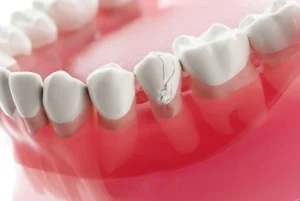
Damaged enamel cannot regenerate. Once it is worn away, chipped or eroded, the body cannot replace it. This is why prevention is critical.
If enamel damage is left untreated, decay progresses, sensitivity increases and teeth become structurally weaker. Early intervention can prevent further damage and protect long-term oral health.
The role of dentists and dentistry in enamel care
Dentists play a key role in identifying enamel wear early. Regular checkups allow dental professionals to spot signs of enamel degradation, decay and grinding before severe damage occurs.
Preventive advice, protective treatments and personalised care help preserve enamel and support lifelong oral health.
Final thoughts on what enamel is made of and why it deserves attention
So, what is enamel made of? It is a highly specialised, completely mineralised layer composed mostly of calcium phosphate crystals, arranged in a precise enamel structure that makes it the hardest substance in the human body.
Despite its strength, enamel is vulnerable to acid, bacteria, grinding and poor habits. Understanding how enamel forms, how it protects teeth and why it cannot repair itself highlights the importance of prevention.
With good oral hygiene, mindful eating habits and professional guidance, enamel can continue to protect your teeth for decades, supporting comfort, function and a healthy smile throughout life.
If you have concerns about enamel wear, sensitivity or early signs of tooth decay, speaking with a dental professional can make a real difference. Contact Dental 266 on 02 9051 0600 to book a consultation and get personalised advice on protecting your enamel and long-term oral health.
References
Healthline. (2023, May 24). Enamel erosion: What you should know. Healthline. https://www.healthline.com/health/enamel-erosion
American Dental Association. (2023, June 14). Fluoride: Topical and systemic supplements. https://www.ada.org/resources/ada-library/oral-health-topics/fluoride-topical-and-systemic-supplements
Cleveland Clinic. (2023, January 31). Tooth pulp. https://my.clevelandclinic.org/health/body/24659-tooth-pulp
Colgate. (n.d.). How poor dental hygiene can affect your overall health. https://www.colgate.com/en-us/oral-health/gum-disease/how-poor-dental-care-can-affect-your-overall-health