
Dental implant failure is uncommon, but it does happen, and knowing why can make a real difference to the decisions you make before, during, and after treatment. This guide covers the causes, the warning signs, and the practical steps that may help protect your results.
Dental implants are one of the most reliable ways to replace missing teeth. They fuse with the jawbone, stay firmly in place, and can last many years with the right care. But like any procedure, they carry risks, and a small number of implants do not integrate as expected or lose stability over time.
The reasons behind failure vary widely. Some are related to health conditions or lifestyle habits. Others come down to bone quality, healing, or the care taken after surgery. In most cases, the warning signs can be identified early, and early action gives you more options. Understanding the full picture before you commit to treatment is one of the most useful things you can do.
Quick Overview
- Dental implant failure occurs when an implant does not fuse properly with the jawbone or loses stability after initial healing, requiring assessment or removal.
- It may affect anyone who has had or is considering implant surgery, particularly those with certain health conditions, lifestyle factors, or inadequate bone volume.
- Failure can occur early during the healing phase or later as a result of infection, bone loss, or excessive pressure on the implant site.
- Factors such as oral hygiene, smoking, bone density, gum health, and medical history all affect implant success rates in ways that vary between individuals.
- Identifying warning signs early, attending regular check-ups, and discussing your full medical and dental history with your dentist are key factors in determining your approach.
Below, we explain the most common causes of dental implant failure, the signs to watch for, and the steps that may help protect your results.
What Does Dental Implant Failure Actually Mean?
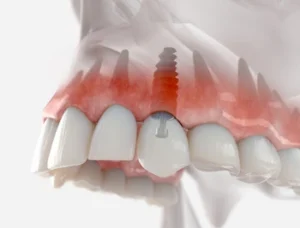 Dental implant failure refers to a situation where the implant, the small titanium post placed in your jawbone, does not integrate successfully with the surrounding bone or loses stability after an initial period of healing. This is different from minor discomfort or swelling after surgery, which is a normal part of recovery.
Clinically, failures are grouped into two categories. Early implant failure occurs within the first few months, during the osseointegration phase, which is when the metal post fuses with the jawbone to create a stable foundation. Late implant failures develop after the implant has initially healed, often due to infection, bone loss, or ongoing mechanical stress.
What Are the Common Signs of Dental Implant Failure?
The most recognisable signs of a problem include persistent pain around the implant site, swelling or redness that does not resolve, a feeling that the implant is loose or moving, and difficulty chewing or biting comfortably. These symptoms can indicate that the implant has not fused properly with the bone or that an infection has developed around it.
Implant mobility is one of the clearest indicators that something has gone wrong. A well-integrated implant should not move at all. If you can feel any movement or looseness in your artificial tooth, it is worth contacting your dentist promptly.
Other signs to be aware of include:
- Swelling, redness, or bleeding around the gum near the implant site
- Persistent or worsening pain beyond the expected recovery window
- Difficulty chewing on the side where the implant was placed
- Visible gum recession around the implant
- An unusual taste or discharge near the surgical site
If swelling or inflammation of the gums or bone develops around an implant, it is important to have it checked and treated promptly. The sooner a problem is identified, the more treatment options are available. Early intervention often allows a dentist to address the underlying issue before implant removal becomes necessary.
Why Do Dental Implants Fail? The Most Common Causes
Not all dental implants fail for the same reason. Several different factors can contribute, and in many cases, more than one is present at the same time. Understanding your own risk profile before treatment begins is one of the most valuable conversations you can have with your dentist.
Poor Oral Hygiene and Gum Disease
Maintaining good oral hygiene is one of the most important things you can do to support implant success. When bacteria accumulate around the gum and implant site, it can lead to a condition called peri-implantitis, which is an infection of the tissue surrounding the implant. This is similar to gum disease but specific to people with dental implants.
Peri-implantitis is a common contributor to late implant failures. It typically develops when the implant is not kept clean, and when caught early, it can often be treated without removing the implant entirely.
Existing periodontal disease is also a concern. When the gum seal is damaged by disease, bacteria become trapped and cause progressive damage to the surrounding bone. Gums affected by disease are already in a weakened state, which is not an ideal foundation for implant placement. In severe cases, gum disease can reduce the integrity of the jawbone beneath, further affecting the implant’s ability to integrate.
Insufficient Bone Density or Bone Loss
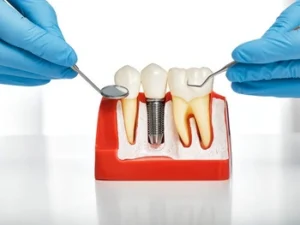 An implant needs adequate bone volume to fuse securely with the jaw. When there is not enough bone, whether due to bone loss from a previous tooth extraction, periodontal disease, or a health condition such as osteoporosis, the implant may not achieve the stability needed for successful osseointegration.
A large-scale peer-reviewed implant study published in the Journal of Functional Biomaterials found that insufficient bone does not automatically rule out implant treatment. Where bone volume is limited, preparatory steps such as bone grafting or a sinus lift may be recommended to create a stable foundation before placement.
At Dental 266 in Burwood, CBCT 3D imaging is used during the initial consultation to assess your bone quality and volume before any implant procedure is planned. This helps identify whether preparatory steps may be needed to give your implant the best possible foundation.
Smoking and Tobacco Use
Smoking is one of the most consistently documented risk factors for dental implant failure. A systematic review on smoking and implants published in the Dentistry Journal reviewed 33 studies involving over 29,000 implants and found that 25 of those studies identified a significant link between smoking and higher implant failure rates, with a dose-response relationship, meaning higher daily cigarette consumption was associated with greater failure risk.
Nicotine and carbon monoxide in cigarette smoke reduce blood flow to the gum tissue and impair the delivery of oxygen to the surgical site. This compromises bone healing at the critical early stage of osseointegration, when the implant most needs a healthy blood supply to integrate with the jaw.
If you are a smoker and considering dental implants, discussing your tobacco use openly with your dentist during the planning stages is an important step.
Medical History and Certain Medications
Certain medical conditions can affect how well the body heals after implant surgery. Diabetes, for example, can influence tissue healing and infection resistance. A Cureus systematic review on diabetes and implant outcomes found that when diabetes is well-controlled, implant survival rates are broadly comparable to those in non-diabetic patients. However, poorly controlled blood sugar levels were associated with greater bone loss around implants over time.
Other health conditions that may affect implant outcomes include autoimmune conditions, bone-related disorders, and a history of radiation treatment to the jaw. Certain medications, including some bisphosphonates used for bone conditions, can also affect how the jawbone responds to implant surgery.
This is why a thorough medical history is a standard part of the assessment process at Dental 266, and your dentist will discuss any relevant conditions with you before recommending implant treatment.
Teeth Grinding (Bruxism)
Excessive stress on the implant site is another cause of failure, and habitual teeth grinding, known as bruxism, is one of the most common sources of that unnecessary stress. When you grind or clench your teeth, the repeated force placed on the implant can prevent proper osseointegration or, in cases where the implant has already integrated, loosen it over time.
If you are known to grind your teeth, your dentist may discuss protective options before or alongside implant treatment to reduce the risk of implant loosening.
Improper Placement or Planning
Implant placement requires precise planning and thorough assessment. Poor positioning, inadequate bone preparation, or errors during the surgical procedure can all affect how well the implant integrates. This is one of the reasons why experience, planning technology, and accurate pre-surgical imaging matter.
At Dental 266, digital planning and CBCT 3D imaging are used to guide implant placement and reduce the risk of positional complications.
Early Implant Failure vs Late Implant Failure: What’s the Difference?
Failures are generally categorised by when they occur. Understanding the distinction helps explain the different causes behind each.
Early implant failure happens during the first few months after surgery, while the implant is meant to integrate with the jawbone. Causes at this stage often include insufficient bone density, bacterial complications at the surgical site, poor blood flow during healing, or certain medications and health conditions that interfere with bone healing. Early failures are widely considered to represent the most critical period in implant treatment, underscoring how important the osseointegration phase is.
Late implant failures develop after initial healing and are more often linked to infection, peri-implantitis, ongoing bone loss, excessive stress from habits like teeth grinding, or neglecting good oral hygiene over time. These failures can sometimes be addressed with treatment before implant removal becomes necessary, especially when identified at a regular check-up.
Dental implant treatment typically involves multiple stages over several months, and the healing timeline depends heavily on individual health and bone conditions. This is also why the follow-up care period immediately after surgery is given careful attention at Dental 266. Keeping appointments during recovery allows early issues to be identified and managed before they develop into larger problems.
How to Reduce Your Risk of Dental Implant Failure
While no implant can be guaranteed to succeed in every case, there are practical steps that may reduce your risk.
Maintain good oral hygiene. Brush and floss around your implant daily, just as you would with your natural teeth. Bacterial accumulation around the implant site is one of the most common contributors to peri-implantitis and late implant failure.
Attend regular check-ups. Regular dental appointments allow your dentist to monitor the health of the tissue around your implant, assess bone levels, and address any early signs of concern before they become more significant problems.
Be honest about your medical history. Share any medical conditions, medications you are taking, and lifestyle habits such as smoking or alcohol use with your dentist, so your treatment can be planned safely and accurately.
Discuss harmful habits before treatment. Teeth grinding, heavy smoking, and poor dietary habits can all affect healing and long-term implant stability. Speaking openly with your dentist about these factors before your procedure allows them to be factored into your care plan.
Follow post-surgical instructions carefully. In the weeks after implant placement, eating soft foods, avoiding excessive stress on the surgical site, and attending all scheduled follow-up appointments all support the osseointegration process.
Consider smoking cessation. If you smoke, quitting or significantly reducing tobacco use before and after implant surgery may improve your healing environment and reduce failure risk. Long-term monitoring remains an important part of implant care: the Australian Dental Association reports on implant longevity that implants placed decades ago have shown stable bone levels over 40 years, with long-term monitoring identified as essential to that outcome.
Taking the Next Step
 Dental implant failure is not common, but it is worth understanding before you commit to treatment. Knowing the causes, recognising the warning signs early, and following through with good aftercare are the things that give implants the best chance of lasting well.
If you have questions about dental implants or want to talk through your situation before making any decisions, the team at Dental 266 in Burwood is here to help. There is no pressure to proceed on the day. You can book an appointment online or call us on 02 9051 0600.
Frequently Asked Questions
Is dental implant failure painful?
The experience varies between individuals and depends on the type and cause of failure. Some people notice discomfort gradually, particularly if infection is developing around the implant site, while others may first notice a physical change, such as looseness, before any significant pain develops. It is worth noting that some degree of soreness in the days immediately after surgery is a normal part of recovery. Pain that intensifies, returns after an initial improvement, or persists well beyond the expected healing window is worth discussing with your dentist.
How does a dentist diagnose implant failure?
A dentist will typically assess the implant using a combination of clinical examination and imaging. They will check for any movement in the implant, examine the surrounding gum tissue for signs of infection or recession, and review X-rays or 3D imaging to assess bone levels around the implant. Probing around the implant site may also be used to detect peri-implant pocket depth, which can indicate whether inflammation or bone loss is present. The findings from this assessment guide decisions about whether monitoring, treatment, or removal is appropriate.
Can the way I eat after implant surgery affect whether my implant succeeds?
Yes, the weeks following implant placement are a critical window for osseointegration, and placing unnecessary stress on the surgical site during this period can interfere with healing. Most dentists recommend eating soft foods and avoiding hard, crunchy, or chewy items on the side of the implant while the bone is fusing with the titanium post. As healing progresses and your dentist confirms integration is on track, dietary restrictions are generally eased. Following your specific post-surgical guidance is an important part of supporting the early stages of implant healing.
Any surgical or invasive procedure carries risks. Before proceeding, you should seek a second opinion from an appropriately qualified health professional.
References
Findler, M., Doron, H., Mann, J., Chackartchi, T., and Tobias, G. (2026). ‘Clinical Success Rates of Dental Implants with Bone Grafting in a Large-Scale National Dataset’. Journal of Functional Biomaterials, 15 January. Basel, Switzerland: MDPI. https://www.ncbi.nlm.nih.gov/pmc/articles/PMC12843187/
Healthdirect Australia. (n.d.). ‘Dental implant’. Healthdirect Australia. Canberra, ACT: Australian Government. https://www.healthdirect.gov.au/dental-implant
Better Health Channel. (n.d.). ‘Gum disease’. Better Health Channel. Melbourne, VIC: Victorian Government Department of Health. https://www.betterhealth.vic.gov.au/health/conditionsandtreatments/gum-disease
Walter, C., Lippmann, S., and Imber, J.C. (2024). ‘The Effects of Smoking on Dental Implant Failure: A Current Literature Update’. Dentistry Journal, 29 September. Basel, Switzerland: MDPI. https://www.mdpi.com/2304-6767/12/10/311
James, Y., Butt, W.M.M., Shahid, H., Ahmad, S., Imran, M.T.B., and Anthony, N. (2024). ‘Success Rates of Dental Implants in Patients With Diabetes: A Systematic Review’. Cureus, 25 December. San Francisco, CA: Cureus. https://www.cureus.com/articles/327562-success-rates-of-dental-implants-in-patients-with-diabetes-a-systematic-review
Australian Dental Association. (2025). ‘Swedish study examines the longevity of single-tooth implant treatments’. Australian Dental Association. St Leonards, NSW: ADA. https://ada.org.au/swedish-study-examines-the-longevity-of-single-tooth-implant-treatments