

If you have recently undergone a bone graft in preparation for dental implant placement, you may be curious about what the recovery period involves. Swelling is one of the most common concerns patients notice in the days following surgery.
This article explains what swelling after a dental implant bone graft usually involves, why it occurs, how the healing process unfolds, and when it may need review. The goal is to provide clear guidance so you know what is typical and what deserves attention.
Understanding Swelling After Dental Implant Bone Graft
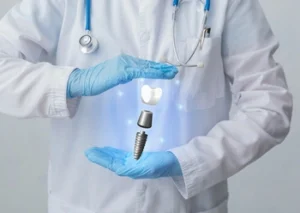 Swelling after dental implant bone graft is part of the body’s natural response to a surgical procedure. A dental bone graft involves placing graft material into an area of lost bone to support future dental implants.
Because this is a surgical procedure, some inflammation at the surgical site is expected. Swelling after a dental implant or bone graft often begins within the first 24 hours.
In most cases, swelling begins mildly and may increase slightly before settling. Mild swelling reflects increased blood vessels and fluid activity as the body starts bone healing.
Swelling after a dental implant bone graft does not usually mean something is wrong. As long as the surgical site remains stable and discomfort is manageable with pain medication or pain relief, normal swelling is part of the healing process.
Why A Bone Graft Is Needed Before Dental Implants
A bone graft may be required when bone loss has occurred after tooth removal. Lost bone in the jaw can reduce stability for dental implant placement.
The bone graft procedure is designed to encourage new bone growth. Over time, new bone develops at the graft site, creating stronger implant bone support.
Dental implant surgery relies on stable implant bone. Without adequate dental implant bone, implant surgery may not provide sufficient support for long-term oral health.
As healing progresses, the healing bone integrates with the surrounding tissue. This gradual bone healing stage strengthens the area for later dental implant placement.
What To Expect During The Healing Process
Recovery following a dental bone graft differs from person to person. Swelling after a dental implant bone graft typically peaks within the first few days.
Dental bone graft swelling is most noticeable at the surgical site. The graft site may feel firm, and mild swelling can extend slightly beyond the immediate area.
Common signs during the healing process include:
- Mild swelling at the surgical site
- Tenderness around the graft site
- A small blood clot forming over the area
- Slight bruising in nearby gum tissue
Swelling after dental implant surgery should gradually improve as healing progresses. In many cases, visible changes settle within at least two weeks.
Severe pain, increased swelling, or excessive bleeding are less common. If you notice severe pain that does not improve with pain medication, further review may be needed.
Because the body heals at its own pace, keeping the surgical site clean and avoiding activities that may delay healing supports a smooth recovery.
Normal Swelling Vs Possible Infection: How To Tell The Difference
It is common for patients to worry that swelling means something is wrong. In most cases, swelling after a dental implant bone graft is simply part of the body’s natural response to surgery. However, understanding how normal swelling differs from possible infection can provide reassurance.
Normal swelling usually follows a predictable pattern. It often increases slightly during the first two to three days, then gradually reduces as the healing process continues. The area may feel firm, tender, or mildly warm, but discomfort should slowly improve with time and appropriate care.
The graft site may also appear slightly raised due to the presence of the graft material and the body’s inflammatory response. This firmness does not automatically indicate a problem. As healing bone develops and the body adjusts to the graft, the swelling generally settles in a steady way.
 In contrast, swelling linked to infection tends to behave differently. Instead of gradually improving, it may:
- Continue increasing beyond the first few days
- Become more painful rather than less
- Be accompanied by throbbing discomfort
- Produce discharge or an unpleasant taste
- Be associated with persistent fever or feeling unwell
Severe pain that does not respond to pain medication may also warrant review. Likewise, excessive bleeding that does not settle requires assessment.
Another difference lies in progression. Normal swelling tends to stabilise and then improve. Infection-related swelling may feel tighter, more intense, and more uncomfortable over time.
Most patients experience mild swelling that resolves without complication. Monitoring changes at the surgical site and attending follow-up appointments allows the dentist to confirm that healing is progressing appropriately.
When in doubt, it is always reasonable to seek clarification. Early review does not mean something is wrong; it simply ensures that proper healing continues as expected.
Managing Swelling And Supporting Recovery
Postoperative care plays a key role in reducing discomfort and supporting proper healing. Practical steps can help reduce swelling and protect the graft site.
You may be advised to:
- Use a cold compress during the first 24–48 hours.
- Keep your head elevated when resting.
- Eat soft foods and follow a soft diet.
- Avoid hard foods that may disturb the graft site.
- Take prescribed antibiotics if provided.
- Use pain medication as directed to manage discomfort.
Cold compresses may assist in limiting swelling during the initial phase of recovery. Keeping the head elevated may limit fluid accumulation at the surgical site.
Good oral hygiene remains important, but care must be gentle. Maintaining good oral hygiene while keeping the surgical site clean helps prevent infection.
Avoiding pressure on the implant bone graft area allows new bone formation to continue without disruption.
Following postoperative instructions carefully helps prevent infection and supports proper healing.
When To Seek Professional Advice
Most swelling after a dental implant bone graft improves steadily. However, certain signs may require review by a dentist.
Contact your dentist if you experience:
- Persistent severe pain
- Ongoing excessive bleeding
- Increased swelling after the initial days
- Signs of infection around the graft site
Medical conditions may influence the healing process. Existing gum disease can also affect implant bone stability if not managed well.
Although implant failure is uncommon, monitoring dental implant bone healing protects future dental implants and long-term oral health.
Final Thoughts
 Swelling after dental implant bone graft is a common part of recovery. In most cases, it reflects the body’s natural response to a surgical procedure and settles as the healing process progresses. Understanding what mild swelling looks like, how long it may last, and how to care for the surgical site can make the recovery period feel more manageable.
Bone graft treatment plays an important role in rebuilding lost bone and preparing the area for future dental implants. With appropriate post-operative care, good oral hygiene, and regular follow-up, the graft site can heal steadily and support long-term oral health.
If you’re concerned about swelling after dental implant bone graft or want reassurance about your healing progress, book a consultation with us at Dental 266 or call 02 9051 0600 to discuss your situation.
Note: Any surgical or invasive procedure carries risks. Before proceeding, you should seek a second opinion from an appropriately qualified health practitioner.
Resources
“Colgate (2023). ‘What Is Good Oral Hygiene?’. Colgate, 9 January. New York, NY: Colgate-Palmolive Company. https://www.colgate.com/en-us/oral-health/adult-oral-care/what-is-good-oral-hygiene”
“Mayo Clinic Staff (2024). ‘Dental Implant Surgery’. Mayo Clinic, 23 October. Rochester, MN: Mayo Foundation for Medical Education and Research. https://www.mayoclinic.org/tests-procedures/dental-implant-surgery/about/pac-20384622”
“Cleveland Clinic (2024). ‘Dental Bone Graft’. Cleveland Clinic, 6 August. Cleveland, OH: Cleveland Clinic. https://my.clevelandclinic.org/health/treatments/21727-dental-bone-graft”