
Dental implants are a life-changing treatment for replacing missing teeth, but it is normal to experience pain and mild discomfort after implant surgery. Understanding how to relieve pain during dental implant treatment helps many patients feel more confident and prepared during recovery. With the right pain management approach, good oral hygiene, and careful aftercare, most patients achieve a smooth recovery and optimal healing.
The first days after your dental implant procedure
 Understanding the recovery phase after implant surgery can ease concerns and help patients feel more prepared. While healing timelines and discomfort levels differ, most patients notice only mild and manageable symptoms in the early stages.
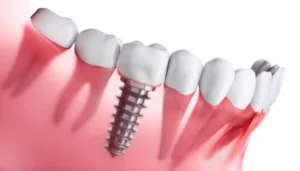
A dental implant procedure is a carefully planned surgical procedure where an implant is positioned within the jawbone to support the replacement of missing teeth. During dental implant surgery, a local anaesthetic is used to keep the area numb. Once the anaesthetic wears off, it is common to experience pain, a dull ache, or post-operative pain around the implant site.
Dental implant pain varies between individuals. Many patients describe it as mild discomfort rather than severe pain. Swelling, tenderness in the implant area, and sensitivity around the surgical site are part of the normal healing process as blood vessels and surrounding tissues begin to repair.
Managing pain in the first few days after implant surgery
Early pain management plays a key role in easing discomfort and supporting healing progress. Taking the right steps in the first few days helps prevent unnecessary strain on the implant site.
Use cold therapy to reduce swelling
Swelling is a normal response to implant surgery and can increase discomfort if not managed properly. Cold therapy offers simple and effective pain relief during this early stage.
Applying an ice pack to the outside of the face near the implant area can help reduce swelling and ease discomfort. Cold therapy helps restrict blood flow temporarily, which supports effective pain management during the early recovery process. Apply the ice pack in short intervals and avoid placing it directly on the skin.
Take pain medications as directed
Medication can help manage pain safely when used correctly. Understanding how and when to take pain medications helps avoid complications.
Pain medications are often recommended to manage pain after dental implant surgery. Over-the-counter painkillers may be suitable for mild discomfort, while stronger options may be prescribed depending on the surgical procedure. Always follow the prescribed dosage and never exceed recommended amounts. In certain cases, a dentist may prescribe antibiotics to prevent infection and avoid complications.
Rest and protect the implant site
Allowing the body time to rest supports healing and reduces unnecessary pain. Physical strain can interfere with recovery and increase discomfort.
Rest plays a key role in healing progress. Avoid strenuous activity that may increase blood flow to the surgical site and cause discomfort. Keeping the head slightly elevated can also help reduce swelling and promote optimal healing.
Eating well while protecting the implant area
Diet choices directly affect comfort and healing during recovery. Eating the wrong foods can irritate the implant site and prolong pain.
Choose soft foods during early healing
Soft foods reduce pressure on the surgical site and make eating more comfortable. They also help avoid accidental damage during chewing.
Soft foods are essential during the first stage of recovery. Eating gentle options helps relieve pain and prevents pressure on the implant site. Stay away from hard or crunchy foods, as they may aggravate the surgical site and interfere with normal healing progress.
Avoid habits that interfere with healing
Certain habits can delay recovery and increase dental implant pain. Avoiding them helps promote optimal healing.
Drinking alcohol and smoking can restrict blood flow and delay the healing process. Avoid smoking and limit alcohol intake to support optimal healing and reduce the risk of pain persistence or infection.
Maintaining good oral hygiene without causing discomfort
Keeping the mouth clean supports healing and prevents infection. However, oral hygiene must be gentle during the recovery process.
Keep the mouth clean with care
Cleaning the mouth carefully reduces bacteria while protecting healing tissues. Aggressive brushing can irritate the surgical site.
Maintaining good oral hygiene is critical after implant surgery, but it must be done gently. Use a soft-bristle toothbrush to clean the mouth without disturbing the surgical site. Avoid brushing directly over the implant area until advised it is safe to do so.
Rinse gently to protect healing tissues
Rinsing supports oral hygiene when done correctly. Gentle techniques help protect blood vessels and healing tissue.
Gentle rinsing helps reduce bacteria and supports oral hygiene. Avoid vigorous rinsing during the first few days, as this may disturb blood vessels and slow the recovery process. Maintaining good oral hygiene helps promote optimal healing and reduces the risk of complications.
Understanding normal pain versus warning signs
Not all pain signals a problem, but some symptoms require attention. Knowing the difference helps patients respond appropriately.
 What pain is considered normal
 What pain is considered normal
Mild pain is expected after implant surgery and usually improves steadily. This type of discomfort responds well to pain relief strategies.
Most patients experience pain that gradually improves each day. Mild discomfort, tenderness, or a dull ache around the implant site are expected as the healing process continues. Pain relief strategies usually manage pain effectively during this stage.
When pain persists and needs attention
Ongoing or worsening pain may indicate an underlying issue. Early intervention helps avoid complications.
If pain persists, worsens, or is accompanied by symptoms such as severe swelling, fever, or numbness, it may indicate nerve damage or infection. Experience pain that does not improve should be discussed with a dental professional.
Supporting long-term comfort and a smooth recovery
Long-term success depends on consistent care during healing. Small daily habits can significantly improve comfort and outcomes.
Follow the dentist’s aftercare instructions closely
Aftercare instructions are designed to protect the implant and surrounding tissues. Following them carefully supports recovery.
Dentists’ aftercare instructions may include dietary guidance, oral hygiene advice, and medication schedules. Following them closely improves comfort and supports a smooth recovery.
Be patient with the recovery process
Healing takes time, and progress varies among many patients. Patience reduces stress and supports optimal outcomes.
The recovery process continues beneath the surface even after discomfort fades. Gentle care, good oral hygiene, and effective pain management all support optimal healing.
Bringing it all together with confidence
 Recovering from implant surgery does not need to feel overwhelming. Understanding how to relieve pain from dental implant treatment empowers patients to take control of their comfort.
By using ice packs, appropriate pain medications, soft foods, and maintaining good oral hygiene, most patients manage dental implant pain successfully. Avoiding smoking, drinking alcohol, and hard foods supports blood flow and healing progress. With the right approach, patients can ease discomfort, promote optimal healing, and enjoy the long-term perks of replacing missing teeth with confidence.
If you have concerns about post-operative pain or would like personalised guidance during your recovery, the team at Dental 266 is available to help. Call 02 9051 0600 to book an appointment and receive professional support for a comfortable and confident implant journey.
Note: Any surgical or invasive procedure carries risks. Before proceeding, you should seek a second opinion from an appropriately qualified health practitioner.
References
Cleveland Clinic. (2025, August 4). How to follow a soft food diet. Health Essentials. https://health.clevelandclinic.org/soft-food-diet
U.S. National Library of Medicine. (2024, October 27). Over-the-counter pain relievers. MedlinePlus. https://medlineplus.gov/ency/article/002123.htm
Mayo Clinic Staff. (2024, October 23). Dental implant surgery. Mayo Clinic. https://www.mayoclinic.org/tests-procedures/dental-implant-surgery/about/pac-20384622