

When replacing missing teeth, most people focus on the visible result, such as the crown or the new teeth themselves. However, there is an important part of the process that sits between the dental implant and the final restoration. This part is called the dental implant abutment.
Understanding how a dental implant abutment works can help you better understand the whole process of implant dentistry. It also explains how each stage supports a stable and functional outcome.
What Is A Dental Implant Abutment?
A dental implant abutment is a small component that sits on top of a dental implant and acts as a connector. It acts as the link between the implant in the jawbone and the prosthetic tooth that will sit above the gum line.
In simple terms, the abutment connects the implant to the visible artificial tooth. Without it, the crown would not have a stable surface to attach to.
How It Fits Into The Structure
A complete dental implant typically has three parts:
- The implant placed into the jawbone.
- The abutment attached above it.
- The crown, which looks like natural teeth.
This structure replaces the function of natural tooth roots and supports teeth that look and feel natural.
Why The Abutment Is Important
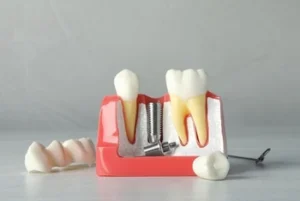 The dental abutment plays an important role in providing a stable base for the final restoration.
It supports the crown and ensures it sits correctly at the gum line. It also helps shape the surrounding gum tissue, so the final result blends with natural teeth.
Because the abutment sits partly above the gums, it must be carefully designed to support both function and appearance.
Types Of Dental Implant Abutments
Different types of implant abutment designs are used depending on the treatment plan.
Stock And Prefabricated Abutments
Stock abutments, also known as prefabricated abutments, are ready-made components. They are selected based on size and shape to suit the implant site.
These are often used in straightforward cases and can simplify the implant procedure.
Custom Abutments
Custom abutments are designed specifically for each patient. They are shaped to match the position of the implant and the surrounding gum tissue.
These are often used when appearance is important, such as for front teeth, where the gum line needs careful shaping.
Materials Used
Abutments can be made from different materials, including:
- Titanium abutments or titanium alloys
- Zirconia abutments for a more tooth-coloured appearance
Each material is chosen based on strength, durability, and how it interacts with soft tissue.
The Implant Placement And Abutment Stage
The placement of an abutment happens after the implant has integrated with the jawbone.
Implant Surgery And Healing
The implant surgery is usually carried out under local anaesthesia. During this minor procedure, the implant is placed into the jawbone through a small incision.
Over time, the implant fuses with the bone. This creates a stable base for the next stage.
Placing The Abutment
Once healing is complete, the dentist may place the abutment onto the implant. This step may involve a small screw to secure the abutment.
In some cases, a temporary abutment is used before the final abutment is placed.
Temporary And Permanent Abutments
Not all abutments are used in the same way.
Temporary Abutment
A temporary abutment may be used early in the process. It supports a temporary crown while the gums heal and adjust.
This helps maintain appearance throughout the treatment period.
Permanent Abutment
The permanent abutment is used once the gums and implant are stable. It supports the final crown or dental bridge.
This stage is part of the final restoration and completes the implant procedure.
What To Expect During The Abutment Procedure
Placing an implant abutment is usually a minor procedure compared to the initial surgery.
 The Procedure Steps
 The Procedure Steps
During the procedure:
- The dentist reopens the implant site if needed.
- The healing abutment is removed.
- The final abutment is placed and then secured.
This process is typically straightforward and completed under local anaesthesia.
Caring For Your Implant And Abutment
Proper care is important after the abutment is placed.
Daily Oral Hygiene
Maintaining good oral hygiene helps prevent complications. This includes:
- Brushing with a soft-bristle toothbrush
- Cleaning between teeth using interdental brushes
- Keeping the area around the implant clean
These steps help protect the surrounding gum tissue and support overall oral health.
Diet And Habits
After the procedure, soft foods may be recommended for a short time. Avoiding excessive pressure on the implant site supports healing.
Potential Issues And How To Prevent Them
While dental implant procedures are generally successful, there are some risks to be aware of.
Implant Failure
Implant failure may occur when the implant does not integrate properly with the jawbone. This may affect the stability of the abutment and crown.
Gum Health
Gum disease or poor oral hygiene can affect the gums around the implant. This may lead to inflammation or infection.
Preventing Complications
To prevent complications:
- Follow your dentist’s instructions carefully.
- Maintain good oral hygiene.
- Attend follow-up appointments.
These steps help reduce risks and support long-term success.
How Abutments Compare To Other Options
Dental implants are one of several options for replacing missing teeth.
Compared To A Dental Bridge
A dental bridge depends on surrounding teeth for support, while an implant is supported by the jawbone.
The abutment allows the implant to function independently, without affecting adjacent teeth.
Why Precision Matters In Abutment Placement
Placing a dental implant abutment may seem like a simple step, but precision at this stage plays an important role in how the final result performs over time. The abutment connects the implant to the crown, so even small differences in positioning can affect both function and comfort.
The angle and height of the abutment influence how the crown sits within the mouth. If the alignment is not accurate, it can change how the teeth come together when biting. This may place uneven pressure on the implant or the surrounding teeth, which can affect how the restoration feels during everyday use.
Precision also affects how forces are transferred through the implant. When the abutment is positioned correctly, pressure from chewing is distributed more evenly through the implant and into the jawbone. This helps support long-term stability and reduces unnecessary strain on the implant site.
Another important factor is how the abutment interacts with the gum tissue. The way it sits at the gum line can influence how the gums settle and adapt around the implant. Careful placement helps support a natural contour and allows the soft tissue to form a consistent shape around the final restoration.
Accurate positioning is also important for the fit of the crown. A well-placed abutment allows the crown to sit securely without gaps or uneven contact points. This contributes to a more balanced bite and supports normal function when eating and speaking.
Because of these factors, abutment placement is planned as part of the overall treatment process rather than treated as a separate step. The dentist considers the position of the implant, the shape of the gums, and how the final crown will function when deciding how the abutment should be placed.
Taking a precise approach at this stage helps support both the appearance and function of the final result, contributing to a stable and comfortable outcome over time.
What Happens If The Abutment Loosens Or Needs Adjustment
Although a dental implant abutment is designed to remain stable, there are situations where it may loosen or require adjustment over time. This does not necessarily mean there is a serious problem, but it does need to be checked to maintain the stability of the implant.
The abutment is secured to the implant using a small screw. Over time, normal biting and chewing forces can place pressure on this connection. In some cases, this may cause the abutment to feel slightly loose or change how the bite feels when the teeth come together.
One of the first signs may be a subtle difference in how the crown sits or how the bite feels during chewing. Some patients notice a slight movement or a change in pressure around the implant site. These changes are often mild, but they should not be ignored.
If an abutment becomes loose, the dentist can usually address it with a simple adjustment. This may involve tightening or repositioning the abutment to restore a secure fit. In most cases, this is a minor procedure and does not require repeating the entire implant process.
It is important to avoid placing extra pressure on the area if any movement is noticed. Continuing to use the tooth normally without review may affect how the implant and surrounding structures respond over time.
Regular dental check-ups play an important role in identifying these changes early. During these visits, the dentist can assess the implant, the abutment, and the final restoration to ensure everything remains stable and aligned.
Maintaining good oral hygiene also supports the long-term function of the abutment. Keeping the area clean helps prevent issues that may affect the surrounding gum tissue or the connection between components.
If you notice any changes in how your implant feels, seeking professional advice early can help maintain the stability of the implant and support overall oral health.
What An Implant Abutment Feels Like After Placement
After an implant abutment is placed, it is common to notice some changes in how the area feels. While the procedure itself is usually comfortable due to local anaesthesia, the sensation may feel different once the numbness wears off.
At first, the abutment may feel slightly noticeable in the mouth. This is not usually described as pain, but more as an awareness that something new is present around the implant site. The gums and surrounding gum tissue need time to adjust to the shape of the abutment.
Some patients may experience mild discomfort or sensitivity in the area. This is part of the normal healing process and is often linked to soft tissue adapting around the implant abutment. The feeling typically settles as the gums heal and the tissue stabilises.
Eating and speaking may feel slightly different for a short period. This usually improves as the mouth adjusts and the abutment becomes part of the natural function of the teeth.
Over time, the abutment becomes less noticeable. Many patients find that it begins to feel like a natural part of the mouth, especially once the crown is attached and the final restoration is complete.
If pain persists or becomes more noticeable rather than improving, it is important to seek professional help. A dentist can assess whether the area is healing as expected and help prevent complications if any issues arise.
How Abutment Design Affects The Final Appearance
While the crown is the visible part of a dental implant, the implant abutment plays an important role in shaping the final appearance. Its design can influence how the replacement teeth sit and how the gums heal around the implant.
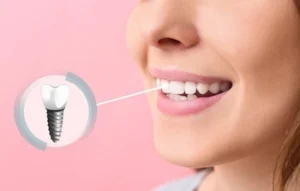 The shape of the abutment helps guide the gum line as it forms during the healing process. A well-designed abutment helps create a smooth transition between the artificial tooth and the surrounding gum tissue. This is especially important in areas where the teeth are more visible.
Custom abutments are often used when a more tailored result is needed. They are designed to match the position of the implant and the contour of the gums. This allows the final crown to sit more naturally and align better with nearby teeth.
Material choice can also affect the outcome. Zirconia abutments may be used in some cases where the gum tissue is thin, as they are less likely to show through compared to metal-based options such as titanium abutments.
The way the abutment supports the crown also affects how light reflects off the surface of the tooth. This can influence how natural the restoration looks when compared to surrounding teeth.
Even though the abutment is not usually visible, it plays a key role in the final result. Careful selection during the treatment plan helps ensure that both function and appearance are supported over time.
Final Thoughts On Dental Implant Abutments
A dental implant abutment may be small, but it has an important role in the overall success of implant treatment. It connects the implant to the crown, supports gum shape, and helps ensure a stable and functional result.
Understanding how the abutment fits into the treatment plan can make the process feel more manageable. It also highlights how each step contributes to restoring both function and appearance.
If you are concerned about replacing missing teeth or would like support with understanding dental implant abutments and your treatment options, you can book a consultation with us at Dental 266 or call 02 9051 0600 to discuss your situation and appropriate care options.
Note: Any surgical or invasive procedure carries risks. Before proceeding, you should seek a second opinion from an appropriately qualified health practitioner.
Resources
“Mayo Clinic Staff (2024). ‘Dental Implant Surgery’. Mayo Clinic, 23 October. Rochester, MN: Mayo Foundation for Medical Education and Research. https://www.mayoclinic.org/tests-procedures/dental-implant-surgery/about/pac-20384622”
“Kubala, J. (2023). ‘Soft Food Diet: Foods to Eat and Foods to Avoid’. Healthline, 15 March. San Francisco, CA: Healthline Media. https://www.healthline.com/nutrition/soft-food-diet”
“Healthdirect Australia (2025). ‘Dental Bridge’. Healthdirect, February. Canberra, ACT: Australian Government. https://www.healthdirect.gov.au/dental-bridge”
“Colgate (2023). ‘What Is Good Oral Hygiene?’. Colgate, 9 January. New York, NY: Colgate-Palmolive Company. https://www.colgate.com/en-us/oral-health/adult-oral-care/what-is-good-oral-hygiene”
“Cleveland Clinic (2023). ‘Dental Crowns’. Cleveland Clinic, 14 April. Cleveland, OH: Cleveland Clinic. https://my.clevelandclinic.org/health/treatments/10923-dental-crowns”