

A dental bone graft is often used when there is not enough natural bone to support planned treatment, including dental implants. Many people hear the term and wonder what the healing process involves, how long it takes, and what changes happen over time.
Understanding dental bone graft healing stages can make the experience feel more predictable. It helps you recognise what is normal, how the body responds, and when to follow up with a dentist if something feels unusual.
This guide explains the full bone graft healing timeline in simple terms, from the initial healing period through to bone maturation and preparation for dental implants.
What Is A Dental Bone Graft?
A dental bone graft is a surgical procedure used to rebuild or replace lost bone in the jaw. Bone loss can occur due to tooth loss, periodontal disease, or long-term damage to the jaw.
When bone density is reduced, it may not be possible to support dental implants. A bone graft procedure helps rebuild this area by placing graft material into the affected site.
The graft material can come from different sources:
- Your own bone (own bone)
- Donor bone
- Animal bone
- Synthetic materials
Each type of bone graft material is designed to support bone regeneration. Over time, the graft acts as a scaffold that allows bone cells to grow and replace it with new bone tissue.
This creates a solid foundation that can later support implants and normal function.
Overview Of Dental Bone Graft Healing Stages
The dental bone graft healing process occurs in several stages. Each stage builds on the previous one and plays a role in creating stable bone.
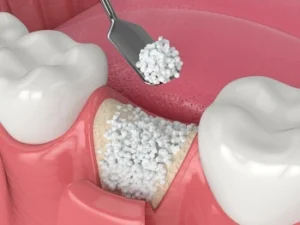 The main graft healing stages include:
- Blood clot formation
- Initial healing
- Early bone formation
- Bone graft integration
- Bone maturation
These stages are gradual, and the body moves through them at its own pace.
Stage 1: Blood Clot Formation And Early Protection
This stage protects the area and supports the earliest healing response.
What Happens At The Surgical Site
Immediately after the dental bone graft procedure, a blood clot forms at the graft site. This is known as blood clot formation, and it is the body’s first response to a surgical procedure.
The blood clot protects the surgical site and supports early tissue regeneration. It also helps control minor bleeding and stabilises the bone material placed in the area.
Why This Stage Is Important
Without a stable blood clot, the graft material may not stay in place. This can delay healing or affect bone graft integration later.
During this stage, new blood vessels begin forming. This process involves the growth of new blood vessels, which support the delivery of oxygen and nutrients to the area.
What You May Notice
- Mild swelling
- Minor bleeding
- Slight discomfort
Keeping your head elevated and using ice packs can help reduce swelling during this early stage.
Stage 2: Initial Healing And Soft Tissue Response
This stage focuses on sealing the site and stabilising the graft.
Healing Of Gum Tissue
Within the first few days, the initial healing phase begins. The gum tissue around the graft site starts to close and protect the area.
Soft tissue healing is an important step because it seals the site and reduces the risk of infection.
Internal Changes
Under the surface, the body continues tissue regeneration. The graft acts as a framework where new blood vessels develop and connect to the surrounding structures.
This supports further healing and prepares the area for bone formation.
What You May Notice
- Mild discomfort or slight discomfort
- Swelling that gradually reduces
- Sensitivity around the surgical site
Most patients find this stage manageable with simple care.
Stage 3: Early Bone Formation And Cell Activity
This stage marks the beginning of new bone development.
How Bone Begins To Develop
During early bone formation, the body starts producing new bone cells. These cells attach to the graft material and begin forming new bone structure.
This stage is sometimes referred to as early bone formation because the new bone growth is still soft and developing.
Role Of Blood Supply
The presence of new blood vessels is essential at this stage. Blood vessel growth ensures that nutrients reach the developing bone tissue.
Without this support, bone regeneration would slow or stop.
What This Means For Recovery
Even though the area may feel stable, the bone is still forming and needs time to strengthen.
Stage 4: Bone Graft Integration And Strengthening
This stage strengthens the area as the graft becomes part of the bone.
What Is Bone Integration
Bone graft integration is the stage where the graft material becomes part of the surrounding bone. Over time, the body replaces the graft with natural bone.
This process is known as bone integration, and it is essential for long-term success.
Changes In Bone Density
As new bone tissue forms, bone density increases. This helps create a stronger structure that can support implants or normal chewing function.
The grafted bone gradually blends with existing bone, reducing the distinction between the two.
Why This Stage Matters
This stage determines whether the bone graft healing is successful. Proper integration allows the area to support implant placement later.
Stage 5: Bone Maturation And Final Stability
This stage prepares the bone for long-term strength and function.
 Final Bone Development
 Final Bone Development
Bone maturation is the final stage of healing. During this period, the new bone becomes stronger and more stable.
The bone continues to remodel, adapting to pressure and function.
Preparing For Future Treatment
Once bone maturation is complete, the area can support dental implants. Implant placement is only considered when the bone has reached a stable condition.
This ensures that implants remain secure and function properly.
Factors That Influence Bone Graft Healing
Several factors can affect how well the dental bone graft healing progresses.
Health And Lifestyle Factors
- Oral health condition
- Presence of periodontal disease
- Smoking habits
- Vitamin D levels
Medical Considerations
- Autoimmune disorders
- Use of blood thinners
- General health conditions
Some of these factors may delay healing or increase the risk of complications.
Caring For The Graft Site During Healing
Simple daily care can help protect the graft and support healing.
Daily Care And Habits
Taking care of the graft site supports healing and reduces the risk of problems.
- Follow instructions from your dentist.
- Avoid crunchy foods during the early stages.
- Stick to a soft diet or soft foods initially.
- Keep the area clean without disturbing it.
Eating And Drinking
During early recovery, a soft diet helps protect the surgical site. Gradually, you can return to normal chewing once advised.
Avoid extremely hard or crunchy foods that may disturb the graft material.
Understanding Graft Failure And Complications
Understanding possible complications helps you respond early if needed.
What Is Graft Failure
Graft failure occurs when the bone graft does not integrate properly with the surrounding bone.
This may happen due to infection, movement of the graft, or reduced blood supply.
Possible Causes
- Poor oral health
- Infection at the surgical site
- Medical conditions that affect healing
What Happens Next
If graft failure occurs, further treatment may be needed to rebuild the area.
How Long Before You Can Have Implant Placement
One of the most common questions after a dental bone graft is how long it takes before moving forward with dental implants. The answer depends on how well the graft healing process progresses and how stable the new bone becomes over time.
Implant placement is not based on a fixed number of weeks. Instead, it relies on the condition of the dental bone at the graft site. The goal is to allow enough time for bone regeneration so the area can provide a stable base.
In many cases, early healing happens within the first few weeks, but this does not mean the bone is ready. During this period, bone cells are still forming and connecting to the graft material. The structure may feel stable on the surface, but deeper bone tissue is still developing.
Most patients move toward implant placement after several months, once bone graft integration has progressed. This allows the graft to blend with natural bone and increase bone density. A stronger structure improves the chances of long-term implant support.
The size and location of the bone graft also affect timing. Smaller grafts may heal more quickly, while larger areas of lost bone may need more time for bone formation and maturation.
Your dentist will usually assess healing through clinical checks before recommending the next step. This ensures the bone has reached a suitable stage for a surgical procedure like implant placement.
It is important not to rush this process. Placing an implant too early can affect how well it integrates with the bone. Waiting allows the graft to fully support implants and reduces the risk of complications later.
Each case is different, so the timeline can vary. What matters most is that the bone has developed enough strength to support normal function and future treatment.
What Bone Graft Healing Feels Like Day To Day
Understanding what bone graft healing feels like can make recovery feel more manageable. While experiences vary, most patients notice changes that reflect how the body is responding to the procedure.
In the first few days after dental surgery, the area may feel tender and slightly swollen. This is part of the initial healing stage, where the body is protecting the surgical site and forming a blood clot. Minor bleeding and a sense of pressure are also common during this time.
As the days progress, swelling usually reduces. The sensation often shifts from tenderness to a more dull awareness of the area. Some patients describe this as a feeling of tightness around the gum tissue rather than sharp pain.
During the following weeks, the graft site may feel stable but still sensitive when touched. Eating soft foods helps avoid unnecessary pressure while the bone tissue continues to develop beneath the surface.
It is also normal to notice small changes in sensation as the area heals. These changes are linked to blood vessel growth and tissue regeneration, which are essential parts of bone graft healing.
By the time the early stages pass, most patients experience only mild awareness of the area rather than discomfort. The healing process continues quietly, even when there are no strong sensations.
While mild discomfort is expected, certain changes should be monitored. Severe pain, worsening pain, or ongoing pain that does not improve may need further review.
Overall, the experience tends to move from noticeable sensitivity to gradual stability. Knowing this pattern can help you feel more confident as healing progresses.
How To Know If The Graft Is Healing Properly
After a bone graft procedure, many patients want to know how to tell if everything is healing as expected. While the internal healing process cannot be seen directly, there are several signs that suggest progress is on track.
One of the clearest indicators is a steady improvement in comfort. Mild discomfort should gradually reduce over time rather than stay the same. As the graft healing stages progress, the area typically becomes easier to manage day to day.
The condition of the gum tissue is another useful sign. Healthy soft tissue healing usually means the gum appears stable and closed over the graft site. This helps protect the underlying bone material as it integrates.
You may also notice that sensitivity decreases over time. Early reactions to pressure or temperature should become less noticeable as bone regeneration continues.
Another positive sign is the absence of unexpected symptoms. Minor bleeding early on is normal, but it should not continue. Swelling should also reduce rather than increase.
In contrast, certain changes may suggest that healing is not progressing as expected. These include ongoing pain, worsening pain, or signs of infection around the surgical site.
Regular follow-up visits allow your dentist to monitor bone graft healing more closely. These checks help confirm that bone integration is progressing and that the graft is supporting new bone growth.
Even though much of the healing happens beneath the surface, these external signs can provide reassurance. Observing gradual improvement and stable conditions usually indicates that the graft is healing in a predictable way.
If you are unsure about any changes, seeking professional advice can help ensure that recovery stays on track.
Final Thoughts On Dental Bone Graft Healing Stages
 Dental bone graft healing stages follow a natural and structured process. From blood clot formation to bone maturation, each stage plays an important role in rebuilding bone.
Understanding the bone graft healing process can help you feel more confident about what to expect. While the timeline varies, most patients experience steady progress with proper care.
If you are concerned about bone healing after a dental bone graft or would like support with preparing for implant treatment, you can book a consultation with us at Dental 266 or call 02 9051 0600 to discuss your situation and appropriate care options.
Note: Any surgical or invasive procedure carries risks. Before proceeding, you should seek a second opinion from an appropriately qualified health practitioner.
Resources
“Cleveland Clinic (2024). ‘Dental Bone Graft’. Cleveland Clinic, 6 August. Cleveland, OH: Cleveland Clinic. https://my.clevelandclinic.org/health/treatments/21727-dental-bone-graft”
“Centers for Disease Control and Prevention (2024). ‘About Tooth Loss’. CDC, 15 May. Atlanta, GA: Centers for Disease Control and Prevention. https://www.cdc.gov/oral-health/about/about-tooth-loss.html”
“Daniel, A.K. (2024). ‘Sensitive Teeth: Why They Hurt and How to Stop the Pain’. Johns Hopkins Medicine, 28 February. Baltimore, MD: Johns Hopkins Medicine. https://www.hopkinsmedicine.org/health/conditions-and-diseases/sensitive-teeth”
“Mayo Clinic Staff (2023). ‘Periodontitis’. Mayo Clinic, 24 February. Rochester, MN: Mayo Foundation for Medical Education and Research. https://www.mayoclinic.org/diseases-conditions/periodontitis/symptoms-causes/syc-20354473”
“Kubala, J. (2023). ‘Soft Food Diet: Foods to Eat and Foods to Avoid’. Healthline, 15 March. San Francisco, CA: Healthline Media. https://www.healthline.com/nutrition/soft-food-diet”
“Healthdirect Australia (2025). ‘Dental Implant Procedure’. Healthdirect Australia, February. Australia: Healthdirect Australia. https://www.healthdirect.gov.au/dental-implant”