

A natural-looking smile can make a lasting impression, but for people with an overbite, achieving that healthy grin may take some help from modern dentistry. One question that often arises is: can veneers fix overbite? While veneers are mainly used for aesthetic improvements, they can also contribute to the appearance of a more balanced bite in certain cases. Let’s explore how dental veneers work, their benefits, and when they may or may not be suitable for overbite correction.
What Is an Overbite and Why Does It Happen?
An overbite happens when the upper teeth extend noticeably over the lower teeth. Although a slight vertical overlap between the upper and lower teeth is typical, an excessive overbite can impact your smile’s look and your overall oral health. It can result from genetics, misaligned teeth, habits like thumb sucking, or teeth grinding. Some people may also develop an overbite after tooth extraction or due to missing teeth that shift the bite alignment over time.
A vertical overbite refers to how much the upper teeth protrude over the lower teeth vertically. When this becomes excessive, it can cause problems such as jaw pain, uneven wear, or difficulties maintaining dental health.
How Dental Veneers Work
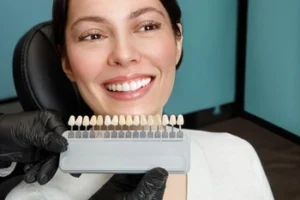 Dental veneers are ultra-thin shells of porcelain or composite resin securely bonded to the front surface of the teeth. They are a common cosmetic dentistry procedure designed to improve the top teeth’s colour, shape, and alignment. Veneers can help cover imperfections like stains, chips, or gaps, giving the appearance of a uniform smile.
During treatment, your dentist removes a small amount of enamel before placing the veneers. Once bonded, they create a smooth and natural-looking result that blends seamlessly with your other teeth. Porcelain veneers are especially appreciated for their strength and capacity to replicate real enamel’s natural sheen and translucence.
Can Veneers Fix Overbite?
The short answer is that veneers can help with mild overbite cases. Still, they are not a substitute for orthodontic treatment when the misalignment involves the skeletal structure or severe bite discrepancies. For people whose overbite is mainly cosmetic, meaning the upper teeth slightly overlap the lower teeth, veneers can make a noticeable improvement in appearance.
Veneers can help reshape the upper or lower teeth to appear more aligned, reducing the visual effect of tooth overlap. They may also lengthen the bottom teeth or adjust the size of the top teeth to create a more balanced smile. In these cases, veneers act as a cosmetic solution rather than a functional correction.
However, veneers alone are not the only recommended treatment in moderate or severe overbite cases where the upper teeth protrude too far or the jaw alignment is affected. In these situations, orthodontic treatment like braces or clear aligners may be necessary to move the teeth into proper alignment and correct the bite before applying veneers.
When Veneers Are a Good Option for Overbite Correction
Veneers are ideal for people with a mild overbite or minor misalignments who want to enhance their smile without undergoing lengthy orthodontic procedures. If your upper and lower teeth are generally aligned but the vertical overlap makes your top teeth appear more prominent, veneers can provide a cosmetic enhancement.
They are also suitable for people who have healthy teeth and gums, no severe tooth decay, and no significant issues with their bite or jaw. During your first consultation, your dentist will evaluate your dental condition and determine whether veneers can help achieve your smile goals.
In many cases, veneers can deliver visible improvements in just a few weeks, making them an appealing choice for those looking for a faster aesthetic transformation.
When Veneers Alone Aren’t Enough
While veneers offer great aesthetic benefits, they cannot change the skeletal structure or reposition teeth that are severely misaligned. If the overbite is significant enough to cause functional issues, traditional braces or clear aligners may be necessary before veneers are applied.
For example, in cases where the upper teeth overlap the bottom teeth excessively, the dentist might suggest orthodontic treatment to gradually shift the teeth into a more ideal alignment. Once the bite is corrected, veneers can then be placed to refine the appearance of the smile.
In some situations, alternative treatments, such as tooth extraction or other cosmetic dentistry procedures, may also be needed to create the right foundation for veneers.
The Process: What to Expect
The journey to correcting an overbite with veneers typically starts with an initial consultation. Your dentist will examine your teeth, gums, and jaw, and may take X-rays or digital scans to assess your bite. They will discuss your treatment options, explain whether veneers are suitable, and design a personalised treatment plan designed around your dental health needs and aesthetic goals.
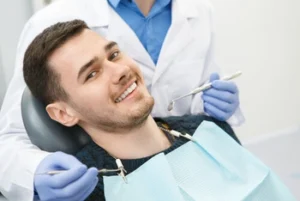 If veneers are deemed appropriate, the process generally involves:
- Preparation of the teeth: A thin layer of enamel is removed from the front surface of the teeth.
- Impressions or scans: These are sent to a dental lab to create customised veneers that fit correctly.
- Temporary veneers: These protect your teeth while the permanent ones are being created.
- Bonding: Once ready, the dentist carefully attaches the veneers using a special adhesive.
- Final adjustments: The veneers are shaped and polished for a natural, comfortable fit.
The result is a more even, balanced, and natural smile.
Benefits of Using Veneers for Overbite Appearance
Using veneers to improve an overbite offers several benefits, particularly for mild cases or cosmetic concerns:
- Creates a more uniform smile by correcting uneven edges or tooth overlap
- Enhances the appearance of crooked teeth or worn edges
- Provides a quick and long-lasting aesthetic improvement
- Strengthens the front teeth by adding an additional protective layer
- Helps with minor misalignments without lengthy orthodontic procedures
For people with cosmetic issues rather than structural ones, veneers can provide a practical and visually pleasing solution.
Potential Limitations to Consider
Despite their many benefits, veneers do have limitations. They cannot treat severe overbite or misaligned bite problems caused by the jaw’s skeletal structure. Additionally, people who grind their teeth may need to address this issue before getting veneers, as teeth grinding can damage the thin shells over time.
Proper oral hygiene is also essential. Without good dental health habits, problems like gum disease or tooth decay can develop under the veneers, compromising their longevity. Routine dental visits and professional cleanings play an important role in preserving your veneers and supporting long-term dental health.
Alternative Treatments for Severe Overbite
 If your overbite is more than a cosmetic issue, your dentist may recommend orthodontic treatment. Traditional braces or clear aligners are effective options for realigning teeth and correcting the bite over time. These treatments correct the underlying cause of the overbite instead of merely improving its outward appearance.
In some cases, severe overbite or misaligned teeth related to the jaw’s skeletal structure may require more advanced treatment options or even surgical intervention. Your dentist will help you determine the most suitable treatment based on your specific dental condition and goals.
Bringing It All Together: Finding the Right Solution for Your Overbite
So, can veneers fix overbite? The answer depends on the severity of your dental condition. Veneers can help improve the appearance of mild overbite cases, creating the illusion of better alignment and balance between the upper and lower teeth. They offer a quick, aesthetic, and minimally invasive approach to achieving a more uniform smile.
However, for severe overbite or cases where the upper teeth significantly overlap the bottom teeth, orthodontic treatment is usually required before veneers can be considered. Consulting a cosmetic dentist is the ideal way to assess your treatment options and choose the most suitable approach for your smile goals.
With the right treatment plan, whether through veneers or other cosmetic dentistry procedures, achieving a balanced, healthy, and comfortable smile is entirely possible.
If you’re thinking about improving your overbite or exploring cosmetic dentistry procedures, book a consultation with Dental 266 today at 02 9051 0600. Our experienced team can assess your dental condition and design a treatment plan that supports both your oral health and cosmetic goals.
References
NHS. (n.d.). Orthodontic treatments. Retrieved from https://www.nhs.uk/tests-and-treatments/orthodontics/treatments/
Healthline. (n.d.). Dental veneers. Retrieved from https://www.healthline.com/health/dental-veneers
Cleveland Clinic. (n.d.). Overbite: What it is, causes & treatment. Retrieved from https://my.clevelandclinic.org/health/diseases/21473-overbite