

Crooked teeth can influence your smile and your oral health. Many adults and teens wonder how to straighten their bottom teeth effectively. Fortunately, there are multiple treatment options available, each tailored to individual cases and oral needs.
In this guide, we will explore the common approaches, their benefits, and what to expect during your journey to a straighter smile.
Understanding Crooked Bottom Teeth
The lower teeth, particularly the lower front teeth, are often prone to crowding and crookedness. Misaligned teeth can develop for many reasons, including genetics and thumb sucking during childhood.
Crooked bottom teeth may affect your bite, cause wear on other teeth, and increase the risk of gum disease and bad breath.
Why Straight Teeth Matter
 Straight teeth are not just about aesthetics. Proper alignment helps improve oral hygiene, as misaligned teeth can trap food particles, making brushing or flossing more challenging.
Maintaining good oral hygiene lowers the risk of gum disease, cavities, and other dental issues. Additionally, aligned teeth contribute to a more balanced bite, helping prevent excessive wear on the upper and lower teeth over time.
Common Causes of Lower Teeth Misalignment
Lower teeth can shift or crowd for many different reasons, and understanding the cause can help you and your dentist create a treatment plan that supports long-term stability and good oral health.
Some of the common factors include:
- Genetics and Jaw Size: Your natural jaw shape and the space available for your teeth often influence how your lower teeth align. Sometimes the jaw does not provide enough room, leading to crowding.
- Early or Late Loss of Baby Teeth: Baby teeth guide adult teeth into position. Losing them too early or holding onto them for too long can affect how the lower teeth grow and settle.
- Prolonged Thumb Sucking or Pacifier Use: Certain childhood habits can place gentle but consistent pressure on the developing teeth and bite, which may contribute to misalignment over time.
- Missing Teeth: A missing tooth leaves a space that nearby teeth may naturally drift into, which can change the alignment of the lower teeth.
- Trauma or Dental Injury: Any injury to the jaw or teeth can alter their position, sometimes leading to crookedness or crowding later.
- Habits That Influence the Bite: Everyday habits, such as clenching, unusual swallowing patterns, or resting the tongue against the front teeth, can gradually affect alignment.
Recognising what may have contributed to your misalignment helps your dentist create a treatment plan that supports your goals while promoting long-term oral health.
Treatment Options for Straightening Bottom Teeth
There are multiple ways to straighten bottom teeth, depending on the degree of misalignment, your age, and personal preferences. These include:
Traditional Metal Braces
Traditional dental braces rely on metal brackets and wires to straighten teeth over time. They are effective for complex cases involving both the upper and lower teeth.
Although noticeable, traditional braces remain a reliable option for adults and adolescents seeking precise alignment.
Ceramic Braces
Ceramic dental braces function like metal braces but are made from tooth-coloured materials. They are less noticeable, offering a discreet way to straighten teeth while still applying controlled pressure to guide teeth into the desired position.
 Invisalign Clear Aligners
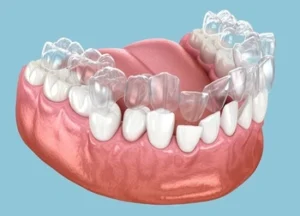 Invisalign Clear Aligners
Invisalign® treatment uses clear, custom-made aligners that gradually straighten crooked teeth.
Invisalign clear aligners are removable, making oral hygiene easier to maintain and reducing the risk of gum disease or bad breath. Invisalign aligners are particularly popular among adults who prefer a less noticeable option.
Factors to Consider in Your Treatment Plan
Straightening your bottom teeth involves several important considerations. Your dentist will make a personalised treatment plan based on your oral health and the goals you hope to achieve.
Key factors include:
- Degree of Crookedness: The level of crowding or rotation in your bottom teeth helps determine a suitable treatment option and expected treatment duration.
- Alignment of Upper and Lower Teeth: Your dentist will assess how your upper teeth meet your lower teeth, as balanced alignment supports comfort and long-term stability.
- Jaw Position and Bite Pattern: Your jaw movement and bite pattern play an important role in how your teeth shift. Understanding this relationship helps guide a well-structured treatment plan.
- Oral Hygiene and Gum Health: Healthy gums and good oral hygiene provide a strong foundation for teeth straightening and support a smoother treatment experience.
- Presence of Missing Teeth: Spaces left by missing teeth can influence movement during treatment, so your dentist may discuss how to manage these gaps.
- Treatment Duration and Goals: Your preferred pace, lifestyle, and aims for your smile help shape the recommended approach.
Open communication with your dentist ensures your treatment plan reflects your individual case and supports ongoing good oral health.
Maintaining Good Oral Hygiene During Treatment
Maintaining good oral hygiene is necessary during teeth straightening. Crooked teeth and braces can make cleaning more challenging. Ensure you:
- Brush at least twice a day
- Floss daily
- Rinse with an antimicrobial mouthwash
- Attend regular dental check-ups
Good oral hygiene lowers the chances of gum disease and cavities while supporting successful alignment.
Considerations for Adults
Adults may face additional considerations compared to adolescents, such as:
- Reduced jaw flexibility
- Previous dental work, including crowns or veneers
- Gum health and risk of gum disease
- Alignment with existing dental restorations
With proper planning, adults can achieve straight teeth with both traditional braces and clear aligner treatment.
Frequently Asked Questions
How long will it take to straighten my bottom teeth?
Treatment duration depends on the severity of crookedness, the type of braces or aligners, and your commitment to wearing retainers. Mild cases may take a few months, while more complex cases may take 1 to 2 years.
Do I need to wear retainers after straightening my bottom teeth?
Yes. After your teeth straightening treatment, wearing retainers plays an important role in helping maintain the alignment you’ve achieved. Teeth can naturally shift over time, and retainers help keep your bottom teeth and upper teeth in their desired position.
Your dentist will guide you on the type of retainer that suits your individual case and how long you may need to wear it to support long-term stability.
Can dental veneers replace braces for crooked bottom teeth?
Veneers can improve appearance, but do not correct misalignment or bite issues. They are suited for minor cosmetic adjustments rather than functional straightening.
Conclusion
 Straightening bottom teeth offers aesthetic and health benefits. From traditional metal braces to Invisalign clear aligners, there are multiple pathways to achieve straight teeth tailored to your needs.
With professional guidance, consistent appliance wear, and good oral hygiene, you can achieve a straighter smile while maintaining optimal oral health.
Taking the first step towards a straighter smile is easier than you think. Our experienced dentists can assess your case, discuss your treatment options, and create a personalised plan tailored to your needs.
Book a consultation with Dental 266 at 02 9051 0600 to explore how you can achieve straighter teeth and improve your oral health.
References
Gurarie, M. (2025, September 12). Crooked Jaw: Causes and How to Fix It. Verywell Health. Retrieved December 2, 2025, from https://www.verywellhealth.com/how-to-fix-crooked-jaw-5215312
Santhakumar, S. (2022, February 7). What to Know About Metal Braces. Medical News Today. Retrieved December 2, 2025, from https://www.medicalnewstoday.com/articles/metal-braces-uses-costs-benefits-and-more-2
WebMD Editorial Contributors. (2024, October 14). Dental Health With Crooked Teeth and Misaligned Bites. WebMD. Retrieved December 2, 2025, from https://www.webmd.com/oral-health/crooked-teeth-misaligned-bites