

Having a tooth pulled might sound daunting, but for many Australians, it’s a necessary step toward better oral health. Whether it’s due to decay, gum disease, crowding, or infection, tooth extractions are among the most common dental procedures. But the real key to a healthy smile lies in what happens after the extraction. Following the right tooth extraction aftercare steps can significantly reduce discomfort, prevent complications, and promote healing.
In this guide, we’ll walk you through the essential aftercare practices, from how to form and protect the blood clot, to the foods you should eat and habits you must avoid.
The First 24 Hours: What to Expect and What to Do
The first day is the most critical time for setting your recovery in motion.
Rest and Pressure
During the first day after your tooth extraction, your focus should be on protecting the clot and allowing the gum tissue to begin healing. Your dentist will usually position a gauze pad over the area and advise you to bite down firmly to assist in controlling the bleeding.
Immediate Aftercare Tips
Here’s what you should do during the first 24 hours: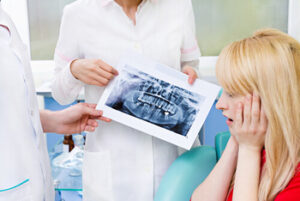
- Rest: Take it easy. Elevate your head slightly when lying down to reduce swelling.
- Keep the gauze in place: Replace the gauze pack every 30 to 60 minutes or as your dentist recommends.
- Apply an ice pack: Apply an ice pack to the outside of your cheek in 10–20 minute intervals to help minimise swelling.
- Avoid rinsing your mouth: Don’t rinse your mouth, spit, or use a straw for the first day, as this can dislodge the clot.
- Take pain medications: Use only the pain medications prescribed or recommended by your dentist to manage discomfort.
- Avoid smoking and alcohol: Smoking can slow the healing process and significantly increase your risk of dry socket.
Eating After a Tooth Extraction: What’s Safe?
What you eat, and how you eat, can make a big difference in how well you heal.
Stick to Soft Foods
Once the bleeding subsides and you feel up to eating, choose soft foods that won’t disturb the extraction site. The goal is to opt for soft foods that won’t strain the healing site and are easy to chew.
Best options include:
- Mashed potatoes
- Yoghurt
- Scrambled eggs
- Smoothies (with a spoon, not a straw)
- Soups (cooled slightly before eating)
For the initial few days, steer clear of solid foods and continue with a soft diet until the extraction site heals. As you recover, your dentist tells you when you can gradually reintroduce more textured foods.
Keeping the Area Clean Without Disrupting the Healing Process
Maintaining cleanliness is essential, but it must be done gently to protect the healing site.
Gentle Cleaning
Keeping your mouth clean is vital, but you’ll need to be gentle in how you do it. After the first 24 hours, you can start rinsing your mouth, but only with care.
Create a saltwater rinse by dissolving half a teaspoon of salt in a cup of warm water. Use this to gently rinse your mouth after meals to keep the affected area clean and reduce the risk of harmful bacteria-causing infection. Avoid vigorous swishing and spitting.
Brushing Around the Area
Continue brushing and flossing the other areas of your mouth as normal, being very careful to avoid the tooth socket.
Pain Management and When to Call Your Dentist
Some discomfort is normal, but knowing when it’s not can help you avoid serious issues.
Normal Pain vs. Warning Signs
Some pain and swelling are completely normal after a dental procedure, especially if you had a surgical extraction. These symptoms generally improve within just a few days, and over-the-counter or prescribed pain relief should keep you comfortable.
However, you should contact your dentist immediately if you experience:
- Severe pain that worsens after a few days
- Prolonged bleeding or swelling
- Fever or signs of infection
These symptoms may indicate dry socket or another issue that requires prompt dental attention.
How Long Is the Healing Time?
Recovery doesn’t happen overnight, but there’s a general timeline you can expect.
General Timeline
Most individuals typically heal within one to two weeks, though this can vary based on how complex the tooth extraction was, your general health, and how closely you follow aftercare guidelines. Surgical extractions may take a little longer to heal than simple ones.
During this time, focus on maintaining excellent oral hygiene (carefully), nourishing your body with healthy soft foods, and avoiding anything that might disrupt healing.
The Long-Term Impact
Good aftercare today sets the stage for stronger oral health tomorrow.
 Toward a Healthy Smile
 Toward a Healthy Smile
Getting a tooth removed can feel like a setback, but with the right aftercare, it’s often the beginning of better oral health. Whether it was a decayed tooth, an affected tooth, or part of a larger treatment plan, your recovery paves the way for a healthy smile.
By taking aftercare seriously, avoiding smoking, and following your dentist’s recommendations, you’re actively protecting your gum tissue, preventing infection, and speeding up recovery.
Final Thoughts
Tooth extraction aftercare isn’t just about comfort. It’s about setting your mouth up for proper healing and avoiding complications like infection or dry socket. While it might seem like a lot to remember, most of it comes down to being gentle, patient, and attentive in the days following your tooth extraction.
If you’re concerned about post-extraction discomfort or want to avoid issues such as infection or the development of dry socket, book a consultation with the team at Dental 266 or call us at 02 9051 0600.
Note: Any surgical or invasive procedure carries risks. Before proceeding, you should seek a second opinion from an appropriately qualified health practitioner.
Resources:
Parker Gordon, J. (2023). ‘Dry Socket’. Healthline, 25 April. San Francisco, CA: Healthline Media.
https://www.healthline.com/health/dental-and-oral-health/dry-socket
Colgate Oral Care Center. (n.d.). ‘What to Eat After Tooth Extraction’. Colgate. New York, NY: Colgate-Palmolive Company.
https://www.colgate.com/en-us/oral-health/nutrition-and-oral-health/what-to-eat-after-tooth-extraction