
Dental implants are one of the most reliable ways to replace missing teeth. They look, feel, and function like your natural teeth, helping you regain your bite strength and confidence in your smile. Although implants are designed for long-term use, certain problems can arise over time, including a loose dental implant crown.
Understanding the symptoms of loose dental implant crown and taking timely action is crucial to prevent further complications that may affect your oral health and implant structure.
What Exactly Is a Dental Implant Crown?
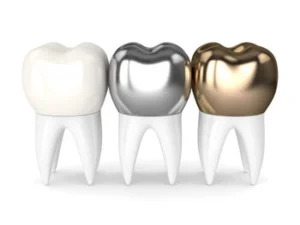 A dental implant is made up of three primary components: the implant post, the abutment, and the crown. The implant post acts as a substitute for a natural tooth root and is surgically embedded into the jawbone, creating a strong and stable base for the artificial tooth. The abutment serves as a connector that joins the implant post to the crown, which is the visible artificial tooth responsible for restoring your smile and chewing function.
The dental implant crown can be either screw retained or cement-retained. Screw retained crowns are fastened directly to the implant with a small screw, while cement-retained crowns are attached using dental cement. Both designs aim to restore the aesthetics and functionality of natural teeth, but if any part of this connection loosens, you may start to notice issues at the implant site.
Why Does a Dental Implant Crown Become Loose?
There are several possible reasons behind a loose implant crown. Some relate to the crown itself, while others involve the underlying implant fixture or surrounding bone.
1. Screw Loosening
The abutment screw that secures the implant crown can gradually loosen due to chewing pressure or excessive force from grinding teeth. This often results in a slight movement or clicking sound when you bite down.
2. Worn or Damaged Cement
When the crown is secured using dental cement, constant wear or moisture exposure can gradually weaken the adhesive bond over time. A loose crown may develop when the cement fails to hold the crown firmly in place.
3. Poor Oral Hygiene and Gum Disease
Plaque buildup can cause gum disease, affecting the gum tissue and surrounding bone. When this happens, the support around the implant weakens, leading to a loose dental implant.
4. Bone Loss Around the Implant
The success of an implant depends on healthy surrounding bone. Bone loss caused by gum disease or infection can compromise the stability of the implant fixture, leading to the entire implant or crown feeling loose.
5. Teeth Grinding or Clenching
Constant grinding teeth habits can apply excessive pressure on the implant area, which may eventually lead to a loose implant crown or even damage the implant screw.
Recognising the Symptoms of a Loose Dental Implant Crown
Identifying the symptoms early helps you seek prompt treatment before further damage occurs. Here are the most common signs to watch for.
 1. Noticeable Movement Around the Implant Site
 1. Noticeable Movement Around the Implant Site
If your implant crown shifts slightly or feels different when you bite, it’s a strong indicator of a loose implant crown. Any movement in a tooth that should feel fixed warrants immediate dental attention.
2. Pain or Discomfort When Chewing
A properly secured implant crown should feel just like a natural tooth. Pain when biting or chewing hard or sticky foods often signals an issue with the abutment, screw, or surrounding bone.
3. Clicking or Tapping Sounds
When the dental implant feels loose, you might hear or feel a clicking sound. This usually happens when the crown moves against the abutment or implant post.
4. Swelling or Gum Irritation
Redness, tenderness, or swelling of the surrounding gums can indicate irritation caused by movement at the implant site. This may also indicate an infection that requires early treatment.
5. Changes in Bite Alignment
If your bite feels uneven or slightly off, the crown might have shifted. Misalignment can lead to discomfort, affect adjacent teeth, and increase the risk of further complications.
6. Visible Gap Between Crown and Gum Line
A small gap forming between the gum tissue and the crown can indicate loosening or bone loss. Food debris and bacteria often accumulate in these small gaps, contributing to plaque buildup, gum irritation, and declining oral hygiene.
7. Sensitivity or Mild Pain
A loose dental implant may cause sensitivity to pressure or temperature changes. While the actual implant has no nerves, the surrounding gum tissue and jawbone can still react to irritation or infection.
How to Respond If Your Dental Implant Starts to Feel Loose
If you suspect your dental implant crown is loose, don’t try to fix it yourself. Your first course of action should be to reach out to your dentist right away and schedule a thorough dental evaluation.
1. Schedule an Emergency Appointment
Book an emergency appointment as soon as possible. Ignoring the symptoms can cause further complications such as bone loss or implant failure. Your dentist will assess whether it’s the crown, abutment, or entire implant that has loosened.
2. Avoid Hard or Sticky Foods
Chewing on hard or sticky foods can worsen the movement and place unnecessary strain on the implant post or screw. Stick to softer options until you have your dental appointment.
3. Maintain Good Oral Hygiene
Keep the surgical area clean by brushing gently and rinsing with an antibacterial mouthwash. This helps reduce bacterial buildup around the implant and protects the surrounding gums.
4. Refrain from Touching the Implant
Avoid pushing or wiggling the implant crown with your tongue or fingers. Doing so can aggravate the implant site and further loosen the existing crown or abutment.
How Your Dentist Diagnoses the Problem
During your dental appointment, your dental professional will perform a comprehensive examination to identify the underlying reason for the looseness and assess the condition of the implant.
Clinical Examination
The dentist will visually inspect the implant area and check for signs of inflammation, movement, or damage to the crown.
X-rays or 3D Imaging
Dental X-rays or 3D scans help identify bone loss, screw loosening, or other structural issues with the implant fixture or surrounding bone.
Testing the Crown and Abutment
Your dentist may carefully test whether the looseness is due to the crown, the abutment, or the implant itself. This distinction is vital for deciding the correct treatment approach.
Treatment Options for a Loose Dental Implant Crown
Treatment depends on which part of the implant structure is affected.
1. Loose Abutment or Screw Loosening
If the abutment screw has loosened, the dentist can remove the crown, tighten the screw, and refit it securely. In some cases, a new screw may be required.
2. Loose Crown or Worn Dental Cement
If the crown itself has loosened, it may be reattached using fresh dental cement. For screw retained crowns, the screw can be tightened, and the opening resealed.
3. Bone Loss or Gum Disease
If bone loss or gum disease is contributing to the problem, your dentist may recommend deep cleaning, antibiotics, or bone grafting to rebuild the supporting jawbone. Treating the underlying issue is essential to maintaining the implant’s health and stability.
4. Damaged Implant Fixture
If the implant post or fixture itself is damaged, removal and replacement of the implant might be necessary. In such cases, bone grafting may also be needed before placing a new implant.
Preventing Future Implant Complications
Prevention plays a major role in maintaining the success of implant dentistry. Here are practical steps to avoid a loose dental implant crown in the future.
Maintain Good Oral Hygiene
Brush your teeth twice a day with a soft-bristle toothbrush and fluoride toothpaste to keep your implants and gums healthy. Floss gently around the implant area to remove food particles and plaque buildup.
Regular Dental Checkups
Book routine dental checkups at least twice a year so your dentist can track the implant’s stability, surrounding bone, and gum before small issues become serious.
Protect Against Teeth Grinding
If you grind your teeth at night, your dentist may recommend wearing a night guard. This reduces excessive force and protects both your implants and natural teeth.
Avoid Chewing Hard Objects
Avoid chewing hard foods or objects like ice, nuts, or pens. This prevents stress on the crowns attached to the implants and reduces the risk of loosening.
Address Gum Disease Promptly
Any sign of gum inflammation, bleeding, or tenderness should be treated early. Healthy surrounding gums and bone are key to long-term implant stability.
The Importance of Timely Intervention
A loose implant crown might seem minor at first, but delaying treatment can lead to implant failure, bone loss, or infection. Timely intervention ensures that any minor issue is corrected before it compromises your dental health.
Even if your implant feels only slightly off or you notice minor discomfort, it’s essential to have it checked immediately. Early treatment preserves both your implant and your overall oral health.
When to Seek Immediate Dental Attention
 Seek immediate dental attention if you experience:
- Noticeable movement of your implant crown
- Persistent pain or swelling around the implant
- Gum irritation or redness
- Difficulty chewing or bite changes
- Clicking or shifting sensations when biting
These symptoms of a loose dental implant crown often indicate a mechanical or biological issue that should be addressed promptly.
Restoring Confidence with a Secure Implant Crown
Dental implants are a lasting investment in your smile. With consistent care, proper oral hygiene, and regular dental checkups, they can remain functional and attractive for many years. Recognising early warning signs and acting quickly helps maintain implant stability, prevents further damage, and keeps your implant healthy for years to come.
If you notice that your dental implant feels loose or suspect any of the symptoms discussed, schedule an appointment with your dental professional. Prompt assessment and treatment can save your implant and protect your surrounding teeth and gums.
Closing Thoughts: The Key to Long-Lasting Dental Implants
A loose dental implant crown is not something to ignore. Whether it’s caused by screw loosening, bone loss, or gum disease, addressing it early can make all the difference. Consistent dental visits, proper oral hygiene, and sensible eating habits play a key role in keeping your implants secure and your smile healthy.
If you notice any signs of a loose implant or discomfort, schedule an appointment with Dental 266 today at 02 9051 0600. Their experienced team can assess your dental implant and provide the right care to restore comfort and stability. Call them now to book your consultation and keep your smile in excellent health.
Note: Any surgical or invasive procedure carries risks. Before proceeding, you should seek a second opinion from an appropriately qualified health practitioner.
References
Cleveland Clinic. (2023, April 17). Swollen gums: Symptoms, causes & treatment. https://my.clevelandclinic.org/health/diseases/24907-swollen-gums
ScienceDirect. (n.d.). Dental cement – an overview. In Topics in medicine and dentistry. https://www.sciencedirect.com/topics/medicine-and-dentistry/dental-cement
Mayo Clinic Staff. (2024, December 27). Teeth grinding (bruxism) – Symptoms & causes. Mayo Clinic. https://www.mayoclinic.org/diseases-conditions/bruxism/symptoms-causes/syc-20356095
Krans, B. (2023, February 22). Dental X-Rays: Purpose, procedure, and risks. Healthline. https://www.healthline.com/health/dental-x-rays