

Choosing a dental implant involves more than deciding whether to go ahead with the procedure. The material the implant is made from affects how it integrates with the jawbone, how it looks at the gum line, and how it behaves under the forces of chewing over time. For most people, the conversation comes down to two options: titanium and zirconia.
Both materials are used in dental implant treatment, and both are considered biocompatible, meaning the body generally accepts them without adverse reaction. Understanding what each material involves, and what factors influence the choice, helps you have a more informed conversation with your dentist before treatment begins.
Quick Overview
- Dental implant material refers to the substance the implant post is made from, with titanium and zirconia being the two main options used in implant dentistry
- Titanium is often used for most patients due to its long clinical history; zirconia may be considered in specific situations such as metal sensitivity or aesthetic preference in visible areas
- Each material has different characteristics in terms of appearance, strength, design, and the amount of long-term clinical evidence available
- Which material is more suitable depends on individual factors including the implant location, gum tissue, bite forces, and health considerations
- A dental assessment guides the material decision as part of the overall treatment plan
Keep reading to understand how titanium and zirconia compare and what influences the choice between them.
What Is Titanium and Why Is It Commonly Used?
Titanium has been the standard material for dental implants for several decades. It is a strong, lightweight metal that integrates well with human bone through osseointegration, the process where bone grows around the implant and bonds with the titanium surface over time. This bond creates a stable foundation for the crown that sits on top.
Titanium is well tolerated by the body, and true allergic reactions to it are considered rare. It is available in a two-piece system, where the implant post and the abutment (the connector piece that holds the crown) are separate components. This design allows for flexibility in placement, particularly for back teeth where bite forces are higher.
The material has a long track record in clinical use, and for most patients and most implant locations, titanium remains the first material considered.
What Is Zirconia and When Might It Be Considered?
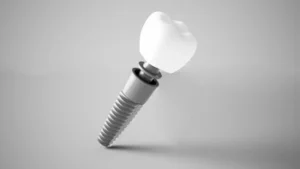 Zirconia is a ceramic material made from zirconium oxide. It is tooth-coloured, which means the post does not carry the grey tint that can sometimes be visible through thinner gum tissue with titanium implants. This makes zirconia a consideration in visible areas, particularly for front teeth, where the appearance of the gum line is a priority.
Zirconia is also metal-free, which makes it relevant for patients who have a confirmed sensitivity to metals or who prefer to avoid metal-based materials. Like titanium, zirconia is biocompatible and can integrate with the jawbone.
A key difference in design is that many zirconia implants are one-piece, meaning the post and abutment are fused together as a single unit. This can limit some flexibility in positioning during placement compared to titanium’s two-piece design.
Zirconia has a shorter clinical history than titanium, and long-term outcome data continues to grow. It tends to involve a higher cost, and not all dental practices offer it. Its suitability depends on the individual case.
How Do the Two Materials Compare?
The two materials share some important characteristics. Both are biocompatible, both can integrate with bone, and both can support a crown to restore the function and appearance of a missing tooth.
Where they differ is in appearance, design flexibility, and the volume of long-term clinical evidence. Titanium’s grey colour can occasionally show through the gum line in patients with thin tissue, though this depends on placement depth and individual anatomy. Zirconia’s white colour avoids this, but its one-piece design may limit where it can be placed in certain jaw configurations.
In terms of strength, titanium is generally considered more suited to areas of higher bite force, such as molars and premolars. Zirconia, while strong, is a more brittle material and may carry a higher risk of fracture under the load of back teeth over time.
Neither material is automatically better than the other. The right choice depends on a combination of clinical, anatomical, and personal factors specific to each patient.
What Factors Influence the Material Choice?
Several considerations come into play when a dentist and patient discuss dental implant material as part of a treatment plan.
Location of the implant: Back teeth experience more bite force than front teeth. Titanium’s strength and design flexibility make it a common choice for molars and premolars, while zirconia may be more appropriate for front teeth where appearance is a higher priority.
Gum tissue: Patients with thinner gum tissue may benefit from zirconia’s tooth-coloured appearance to avoid any visible grey tint through the gum line. Maintaining healthy gum tissue around the implant site is important regardless of which material is chosen.
Metal sensitivity: Patients with a confirmed or suspected metal sensitivity may be better suited to zirconia. This is less common than many patients expect, but it is a clinically valid reason to consider the ceramic option.
Long-term evidence and availability: Titanium has significantly more long-term clinical data supporting its outcomes. Zirconia’s evidence base is growing but is not yet as extensive. Titanium is also more widely available across dental practices.
Cost: Zirconia implants typically involve a higher cost than titanium. Your dentist will outline the costs associated with each option so you can factor this into your decision.
How to Care for a Dental Implant Regardless of Material
The material the implant post is made from does not significantly change the daily care routine once the crown is in place. Both titanium and zirconia implants support a crown that requires the same maintenance as natural teeth.
Brushing twice daily, cleaning between the implant and neighbouring teeth using floss or interdental brushes, and attending regular dental check-ups are all important. Daily care around the implant protects the surrounding gum and bone tissue, which can be affected by plaque buildup regardless of the implant material used.
The dentist will advise on any specific care considerations based on the material, location, and your individual oral health profile.
A Considered Approach to Implant Material Selection
 The decision between titanium and zirconia dental implant material is one that involves clinical judgement, individual health factors, and personal preferences. There is no single right answer that applies to every patient or every tooth location.
At Dental 266 in Burwood, the team takes the time to explain the options clearly, including what each material involves and what is most appropriate for your situation. Treatment planning is done with your long-term oral health in mind.
To arrange a consultation, call 02 9051 0600 or book a consultation online.
Note: Any surgical or invasive procedure carries risks. Before proceeding, you should seek a second opinion from an appropriately qualified health practitioner.
Frequently Asked Questions
Is titanium or zirconia better for dental implants?
Neither material is universally better. Titanium has a longer clinical history and is well suited to most implant locations, particularly back teeth where bite forces are higher. Zirconia may be preferred for front teeth where appearance is a priority, or for patients with confirmed metal sensitivity. The most suitable material depends on your individual anatomy, oral health, and treatment goals.
Can I have a zirconia implant if I am concerned about metal?
Zirconia is a metal-free ceramic material and may be appropriate for patients with metal sensitivities or preferences. Whether it is suitable for your specific situation depends on factors including the implant location, your gum tissue, and bite forces. A dental assessment will help determine whether zirconia is a clinically appropriate option for you.
References
Healthdirect Australia. (2025). ‘Dental implant procedure’. Healthdirect Australia, February. Sydney, NSW: Healthdirect Australia. https://www.healthdirect.gov.au/dental-implant
Australian Dental Association. (n.d.). ‘Dental implants’. Teeth.org.au. Sydney, NSW: Australian Dental Association. https://www.teeth.org.au/dental-implants
Better Health Channel, Victoria. (2025). ‘Gum disease’. Better Health Channel, 1 August. Melbourne, VIC: Department of Health, Victoria. https://www.betterhealth.vic.gov.au/health/conditionsandtreatments/gum-disease