

A broken tooth can occur in an instant. You might bite into something hard, experience a sudden impact or notice a sharp edge in your mouth without warning. When it happens, here’s one of the first questions people ask, ‘is a broken tooth an emergency?’ The answer depends on the type of damage, the level of pain and how quickly you seek emergency dental care. Understanding the severity, warning signs, available treatment options and immediate steps to take can make a major difference in protecting your oral health and preventing more severe complications.
When Does a Broken Tooth Become a True Emergency?
Not every chipped tooth requires an emergency dental appointment, but some cases need urgent dental care to avoid infection, worsening cracks or even tooth loss. Recognising what falls under a dental emergency helps you act confidently and safely.
Minor Chips or Light Surface Damage
Minor chips are common and often happen without severe pain. A chipped or broken tooth that only affects the enamel does not always require immediate intervention. However, you should still see your regular dentist soon to prevent decay, smooth rough edges, and ensure there are no deeper issues. Prompt treatment keeps the affected area from worsening and protects long-term dental health.
 Cracked Teeth and Moderate Breaks
 Cracked Teeth and Moderate Breaks
A chipped or cracked tooth that involves deeper layers may become painful, sensitive or uncomfortable when biting down. These situations should not be ignored, especially if you feel sharp pain or notice the crack spreading. Without timely dental treatment, a cracked tooth can lead to infection, further damage or more complex procedures. In these cases, it is important to seek emergency dental care rather than waiting a few days.
Severe Fractures or Deep Damage
Severe fractures involving the inner part of the tooth are always considered a dental emergency. You may experience severe pain, bleeding, sensitivity to temperature or discomfort with gentle pressure. These symptoms suggest exposure of the tooth’s inner structure, increasing the risk of infection. Immediate attention from an emergency dentist ensures the finest chance of saving the tooth and avoiding health issues.
Knocked Out Tooth Situations
A knocked-out tooth is one of the most urgent dental emergencies. Fast action has a significant impact on the success of replantation. If the tooth is clean, try placing it back into the socket while applying gentle pressure. If this is not possible, store it in milk or hold it inside the mouth near the cheek and head straight to a dental clinic for emergency care. Immediate intervention may prevent long-term tooth loss.
Immediate Steps You Should Take After a Broken Tooth
Knowing what to do in the first few minutes can effectively manage pain, reduce swelling and protect the damaged tooth from further harm. These initial steps are simple but critical.
Rinse Your Mouth Gently
Begin by gently rinsing your mouth with warm water to clear the area. This helps wash away debris and gives you a clearer look at the visible damage. Avoid harsh rinsing, which can irritate the gums or worsen bleeding.
Use a Cold Compress To Reduce Discomfort
Apply a cold compress or an ice pack wrapped in a cloth to the outside of your cheek. This helps reduce swelling and manage pain. If there is bleeding, place sterile gauze over the area and apply gentle pressure until it stops.
Cover Any Sharp Edges
If your broken tooth has sharp edges that may cut the lips, tongue or cheeks, place dental wax or sugar-free gum over the damaged part. This is a temporary measure that protects the soft tissues of the mouth until you reach the dentist.
Avoid Hard Foods and Extreme Temperatures
Stick to soft foods for a few days and avoid chewing on the affected side. Hard foods can worsen cracks and increase discomfort. Hot or cold drinks may trigger sharp pain if deeper layers of the tooth are exposed.
Use Over-the-Counter Painkillers Safely
Over-the-counter painkillers can help manage pain temporarily until you reach a dental clinic. Do not apply medication directly to the gums, as this can irritate them. If pain becomes severe or persistent, seek emergency services promptly.
When You Should Book an Emergency Dental Appointment
Certain symptoms act as strong indicators that you need urgent attention. Recognising these signs makes it easier to know when to book emergency dental care.
Book an emergency appointment if you experience: 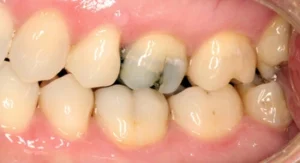
- severe pain that does not improve
- swelling around the gums or face
- bleeding that does not stop
- a cracked tooth that keeps worsening
- signs of infection such as a bad taste, fever or increasing pressure
- visible damage that affects the deeper layers of the tooth
- difficulty eating or closing your mouth comfortably
These conditions may progress rapidly and lead to further complications if left untreated. Emergency care ensures the right treatment can begin immediately, whether it involves restoration, repair, or other necessary dental treatment.
Why Acting Quickly Makes a Difference
Prompt treatment can save a tooth, prevent decay and stop infection from spreading. Fast action also improves comfort and reduces the chance of long-term problems. Getting professional care early allows the dentist to preserve more of the tooth structure and apply the most effective treatment for your situation.
If the damage is minor, early care prevents the issue from becoming a much larger problem. When the damage is significant, getting prompt care is crucial to safeguard your oral health and your general well-being.
Frequently Asked Questions
1. Is a broken tooth always considered a dental emergency?
Not always. Minor chips can wait a short time, but severe fractures, ongoing pain or visible damage require emergency dental care.
2. How do I know if I should see an emergency dentist?
Seek emergency dental care if you feel severe pain, swelling, bleeding, a cracked tooth that worsens or any signs of infection.
3. What should I do immediately after breaking a tooth?
Rinse with warm water, apply a cold compress, cover sharp edges with dental wax or sugar-free gum and contact a dentist promptly.
4. Can a broken tooth lead to infection?
Yes. When a tooth is broken or cracked, the inner layers can become exposed, giving bacteria a chance to enter and trigger an infection if not addressed promptly.
5. Will I need a root canal for a broken tooth?
It depends on the severity. If the inner part of the tooth is affected, a root canal treatment may be needed to relieve pain and save the tooth.
Final Thoughts on Broken Teeth and Dental Emergencies
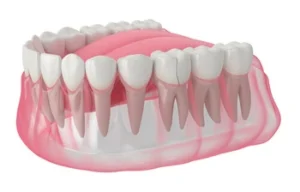 So, is a broken tooth an emergency? In many cases, yes. Whether you are dealing with minor chips, a chipped or cracked tooth, severe fractures, or a knocked-out tooth, the safest option is always to seek guidance from a dentist as soon as possible. Early assessment, the right treatment and professional care help prevent further damage, maintain dental health and protect your smile from long-term issues.
If you suspect a broken or cracked tooth, timely care makes all the difference. Reach out to Dental 266 at 02 9051 0600 to book an appointment and get personalised advice and treatment to protect your smile.
Note: Any surgical or invasive procedure carries risks. Before proceeding, you should seek a second opinion from an appropriately qualified health practitioner.
References
Mayo Clinic. (n.d.). Root canal: In-depth. https://www.mayoclinic.org/diseases-conditions/tooth-abscess/in-depth/root-canal/art-20585454
Cleveland Clinic. (n.d.). Fractured tooth (cracked tooth). https://my.clevelandclinic.org/health/diseases/21628-fractured-tooth-cracked-tooth
MedlinePlus. (n.d.). Tooth injury: Overview. https://medlineplus.gov/ency/article/002123.htm