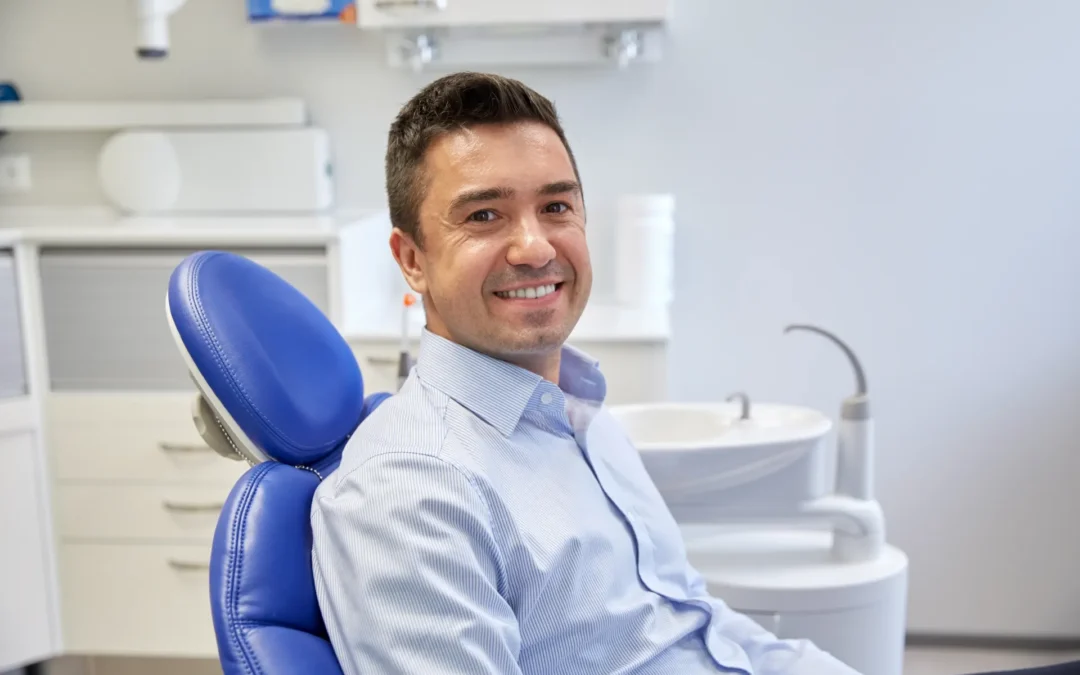

Professional teeth whitening is now one of the most commonly chosen cosmetic dentistry treatments for those looking to achieve a brighter, more refreshed smile. If you have noticed discoloured teeth from everyday lifestyle habits or gradual tooth discolouration over time, you are not alone. Teeth naturally darken as we age, and factors such as drinking coffee and red wine, poor oral hygiene, and even some medical conditions can all play a role.
This blog explores professional teeth whitening treatment in a simple, honest and practical way. We will walk through how the whitening process works, what to expect from a teeth whitening consultation, how long results can last and how to maintain good oral hygiene after treatment.
What Professional Teeth Whitening Really Means
 Professional teeth whitening refers to treatments performed or supervised by a dental professional. Unlike many whitening products designed for home use, professional teeth whitening services are customised to suit your teeth, gums and overall oral health.
Professional teeth whitening uses controlled concentrations of a whitening or bleaching agent designed to break down stains in tooth enamel. This method supports safe whitening while helping to protect the surrounding gums and minimise the chance of gum irritation or tooth sensitivity.
Professional teeth also benefit from a structured whitening procedure that considers existing tooth decay, gum disease and sensitive teeth before treatment begins.
Why Teeth Change Colour Over Time
Tooth discolouration can happen for many reasons. Some stains sit on the surface of the teeth, while others develop deeper within the tooth enamel.
Stained teeth commonly develop from drinking coffee, red wine and dark coloured soft drinks. Smoking and poor oral hygiene may also contribute to plaque buildup and ongoing discolouration over time. Certain medications, trauma to the teeth and ageing may cause internal tooth discolouration that is harder to remove with home teeth whitening alone.
Understanding the cause of your discoloured teeth helps a dentist recommend the most suitable whitening method.
A Friendly Look at the Teeth Whitening Consultation
A teeth whitening consultation is an important first step. During this visit, a dental professional examines your teeth, gums and overall oral health. The dentist checks for gum disease, tooth decay and signs of poor oral hygiene that may need to be managed before whitening begins.
This consultation also covers the cost of teeth whitening and realistic expectations. Many people ask how much teeth whitening costs and how long teeth whitening lasts. These answers depend on the whitening technology used, your starting shade and your lifestyle habits.
In Chair Teeth Whitening Explained Simply
In-chair teeth whitening, sometimes called chair teeth whitening, is performed at a dental clinic and offers instant results for many patients. The whitening procedure typically involves applying a whitening gel to the teeth while the gums are protected with a rubber shield.
A special light may be used to activate the whitening agent and enhance the whitening process. This controlled environment allows the dentist to monitor tooth sensitivity and gum comfort throughout the treatment.
Many people notice a significant change in tooth colour after one appointment, making in-chair teeth whitening a popular choice for those seeking a brighter, whiter smile quickly.
Take Home Whitening Kits and Custom Trays
 Take-home whitening kits are another professional teeth whitening option. These differ from generic home whitening kits found online or in shops. A dentist provides custom-fitted trays that are designed to fit your teeth precisely.
The whitening gel is placed into these whitening trays and worn for a set period each day in your own home. This whitening method allows gradual whitening over one to two weeks and can be ideal for people with sensitive teeth.
Take-home whitening kits also offer flexibility and control, with many patients using them to maintain results after in-chair whitening.
Professional Whitening Versus Home Teeth Whitening
Home teeth whitening can be appealing due to convenience and cost, but results vary widely. Over-the-counter whitening products often contain lower-strength whitening agents and lack professional guidance.
Professional teeth whitening services stand apart because they are tailored to your tooth enamel, gum health and whitening goals. It reduces the risk of uneven results, gum irritation and increased tooth sensitivity.
While home kits may help maintain a whiter smile, professional whitening treatments are more effective for deeper stains and long-lasting results.
Managing Sensitive Teeth and Gum Comfort
Tooth sensitivity is a frequent concern for many people undergoing whitening treatments. A dental professional can adjust the whitening procedure to suit sensitive teeth and recommend products that support comfort.
Protective steps such as using a rubber shield, adjusting the whitening gel concentration and spacing treatments can make a noticeable difference. Maintaining good oral hygiene before and after whitening also supports gum health and reduces irritation.
If you already experience sensitive teeth or gum disease, this should always be discussed during your consultation.
How Long Can Teeth Whitening Results Last
Many people ask how long teeth whitening lasts and whether the results are permanent. With the right aftercare, professional teeth whitening results can last for up to two years, although this timeframe differs from one person to another.
Lifestyle habits play a major role. Drinking coffee, red wine, and having poor oral hygiene can shorten the lifespan of whitening results. Smoking also increases the risk of staining returning more quickly.
Regular dental check-ups, good oral hygiene and occasional take-home whitening help maintain a brighter smile for longer.
Caring for Your Smile After Whitening
After whitening, maintaining good oral hygiene is essential. Brushing twice a day with a gentle toothpaste, flossing consistently and keeping up with routine dental visits all help preserve your results. Avoid strongly coloured foods and drinks in the days following treatment to protect the newly whitened teeth.
Home teeth maintenance may also include occasional use of take-home whitening kits as recommended by your dentist. These steps help protect your tooth enamel and keep your smile looking fresh.
Choosing the Right Whitening Option for You
There are many teeth whitening options available, and the most suitable approach will depend on your goals, budget and overall oral health. Teeth whitening clinics offer a range of whitening treatments designed to suit different needs.
Whether you are considering chair teeth whitening, take-home whitening or a combination of both, a dental professional can guide you toward safe and effective results.
Professional teeth whitening is not about chasing perfection. It is about achieving a natural-looking, brighter smile that supports your confidence and oral health.
Final Thoughts on Professional Teeth Whitening
 Professional teeth whitening continues to be one of the most dependable ways to safely and predictably whiten your teeth. With guidance from a dentist, modern whitening technology and personalised care, many people achieve a brighter, whiter smile with minimal discomfort.
By understanding the whitening process, choosing the right whitening method and maintaining good oral hygiene, you can enjoy whiter teeth and a smile that feels refreshed and confident for years to come.
If you are considering professional teeth whitening, our team at Dental 266 can guide you through your options with personalised care and expert advice. Book a teeth whitening consultation at 02 9051 0600 to explore a treatment plan tailored to your smile and long-term oral health.
References
American Academy for Oral Systemic Health. (n.d.). 15 health issues caused by poor oral health. https://www.aaosh.org/connect/15-health-issues-caused-by-poor-oral-health
Carey, C. M. (2014). Tooth whitening: What we now know. Journal of Evidence-Based Dental Practice, 14(Suppl.), 70–76. https://pubmed.ncbi.nlm.nih.gov/24929591/
Colgate. (n.d.). The best home teeth whitening options. https://www.colgate.com/en-sa/oral-health/teeth-whitening/the-best-home-teeth-whitening-options