
Losing teeth can affect more than just your appearance. Tooth loss can influence how you chew, speak, and feel about your smile. For many patients, traditional dentures have been the go-to solution for missing teeth, but they do not always provide the stability or comfort people hope for. This has led to growing interest in snap-in dentures, a modern option that offers a more secure, natural fit.
If you are wondering what snap-in dentures are and how they differ from conventional dentures, this guide will walk you through everything you need to know in simple terms.
Understanding Snap-In Dentures in Simple Terms
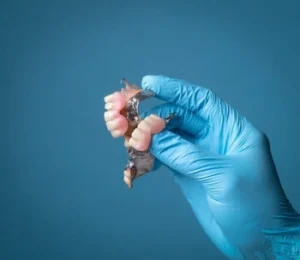 Snap-in dentures are a type of removable implant-supported denture. They are designed to attach securely to dental implants placed in the jawbone. Unlike traditional dentures, which rely mainly on the gums and suction to stay in place, snap-on dentures connect to implants via special attachments that snap into place.
This snap mechanism helps hold the denture firmly in place while still allowing it to be removed for cleaning. Many patients find this balance of security and removability appealing, especially if they have struggled with constant movement or discomfort when they wear dentures.
How Snap-In Dentures Work Inside the Mouth
Snap-in dentures are designed to work with your mouth rather than against it. Using dental implants as anchor points provides a secure, supportive way to replace missing teeth while remaining removable. Understanding how they function inside the mouth helps explain why many patients experience improved comfort, stability, and confidence compared to traditional dentures.
How Dental Implants Help Keep Your Dentures Secure
Dental implants act as artificial tooth roots. These small posts are placed into the jawbone by a dentist and are designed to fuse with the bone during the healing process. Once healed, the implants provide a stable foundation for dentures.
Snap-in dentures usually rely on 2 or 4 implants, depending on the case and whether the upper or lower teeth are being replaced. The implants support the denture and help distribute chewing forces more evenly across the jaw.
The Snap Attachment System Explained
The underside of a snap-in denture contains special connectors that align with attachments on the implants. When the denture is placed into the mouth, it snaps securely onto the implants. This creates a secure fit that reduces slipping and improves stability during everyday activities such as chewing and speaking.
Despite the strong hold, the denture remains removable. Patients can take it out to clean both the denture and the gums thoroughly, supporting long-term oral health.
Snap-In Dentures Compared to Traditional Dentures
 One of the most common questions patients ask is how snap-in dentures compare to traditional dentures or conventional dentures.
Unlike traditional dentures, snap-in dentures are anchored by implants rather than resting solely on the gums. Traditional dentures often rely on suction and adhesives, which can lead to constant movement, sore spots, and difficulty chewing certain foods. Over time, bone loss in the jaw can worsen the fit of conventional dentures, requiring frequent adjustments or a new denture.
Snap-in dentures offer improved stability because they are connected to implants placed in the jawbone. This connection helps reduce movement, improves comfort, and allows many patients to feel more confident when they smile or speak.
Who May Be a Suitable Candidate for Snap-In Dentures
Snap-in dentures may be a suitable solution for many patients, although eligibility can differ based on a range of individual factors.
Patients who have experienced tooth loss and are currently wearing removable dentures often consider snap-on dentures as an upgrade. Individuals with missing teeth who want better stability without committing to a fixed solution may also be good candidates.
Adequate bone in the jaw is important, as implants need sufficient bone to anchor securely. In some cases, bone loss may require additional procedures before implants can be placed. A dentist will assess the jawbone, gums, and overall oral health before recommending this option.
The Treatment Process Step by Step
Knowing what to expect at each stage can make the process of getting snap-in dentures feel much more manageable. Although the exact steps may differ from person to person, the treatment is thoughtfully planned to support comfort, stability, and reliable long-term results.
Initial Consultation and Planning
The process begins with a comprehensive assessment by a dentist. This includes examining the teeth, gums, jaw, and bone structure. Imaging may be used to evaluate bone levels and determine the best implant placement.
During this stage, the dentist will discuss whether two implants or four implants are appropriate and explain how the treatment may vary depending on your specific needs.
Implant Placement and Healing
Once the plan is confirmed, the implants are placed into the jawbone. This procedure is generally carried out by a dentist. After placement, the healing process begins. During this time, the implants integrate with the bone, creating a strong foundation.
Healing can take several months, and during this period, patients may wear a temporary denture if needed.
Fitting the New Denture
After healing is complete, a new denture is designed to attach to the implants. The fit is carefully adjusted to ensure comfort, function, and a natural appearance. Once fitted, patients can snap the denture into place and begin using it in daily life.
Benefits of Choosing Snap-In Dentures
Snap-in dentures offer several benefits that make them appealing to many patients.
 Improved stability is one of the most noticeable advantages. The secure fit reduces slipping and constant movement, allowing patients to chew more comfortably and speak with greater confidence.
These dentures can also help prevent bone loss. Dental implants stimulate the jawbone, which helps maintain bone density and supports the structure of the face over time.
Many patients appreciate the natural appearance of snap-in dentures. They are designed to look like natural teeth and support a confident smile.
The removable nature of the denture makes cleaning easier, helping maintain healthy gums and overall oral hygiene.
Living Day to Day With Snap-In Dentures
Adjusting to snap-in dentures usually takes some time, but many patients adapt quickly. Chewing feels more stable compared to traditional dentures, and everyday tasks such as eating and speaking often become easier.
It is important to remove the denture daily for cleaning. This allows you to clean the denture, gums, and implant attachments thoroughly. Good oral hygiene helps protect the implants and the surrounding bone.
Regular dental check-ups are essential. The dentist will monitor the condition of the implants, gums, and dentures to ensure everything remains healthy and functional.
Caring for Your Dentures and Implants
Proper care plays a key role in the long-term success of snap-in dentures. Clean the denture daily using products recommended by your dentist. Gently clean the gums and implant areas to remove plaque and debris.
Avoid using excessive force when snapping the denture into place. Over time, the attachments may wear and need replacement. This is a normal part of maintenance and helps ensure a secure fit continues.
Maintaining healthy gums and bone supports the longevity of both the implants and the denture.
Potential Considerations and Limitations
While snap-in dentures offer many benefits, they may not be suitable for everyone. The cost can vary depending on several factors such as the number of implants required, bone condition, and treatment complexity.
The healing process requires patience, as implants need time to integrate with the bone. Some patients may need additional procedures if bone loss is present.
A thorough discussion with a dentist is essential to understand whether this option aligns with your oral health needs and lifestyle.
Snap-In Dentures for the Lower Jaw
Snap-in dentures are particularly popular for the lower jaw. Lower teeth dentures often experience more movement due to the shape of the jaw and tongue activity. By using implants, snap-in dentures provide improved stability for the lower jaw, making chewing and speaking more comfortable.
Many patients who struggled with lower dentures find this option life-changing in terms of comfort and confidence.
How Snap-In Dentures Support a Confident Smile
Feeling comfortable with your teeth has a direct impact on confidence. Snap-in dentures are designed to help patients smile confidently by providing a secure fit and natural appearance.
The improved stability means less worry about movement while speaking or laughing. For many patients, this leads to greater social confidence and improved quality of life.
Final Thoughts on What Are Snap-In Dentures
Snap-in dentures offer a modern solution for replacing missing teeth while maintaining flexibility and comfort. By combining removable dentures with the stability of implants, they address many of the challenges associated with traditional dentures.
Unlike traditional dentures, snap-on dentures provide improved stability, help prevent bone loss, and support a natural-looking smile. While treatment can vary depending on individual needs, many patients find this option delivers a balance of security, comfort, and convenience.
If you are exploring options to restore your smile and improve everyday comfort, booking a consultation with Dental 266 at 02 9051 0600 is a helpful first step. Our experienced dental team can assess your needs, discuss whether snap-in dentures are suitable for you, and guide you through a personalised treatment plan designed to support long term comfort, stability, and confidence in your smile.
Note: Any surgical or invasive procedure carries risks. Before proceeding, you should seek a second opinion from an appropriately qualified health practitioner.
References
Cleveland Clinic. (n.d.). Dentures: Types, care and benefits. Cleveland Clinic. https://my.clevelandclinic.org/health/treatments/10900-dentures
WebMD. (2025, June 30). Snap-in dentures: Benefits, cost, and care explained. WebMD. https://www.webmd.com/oral-health/what-to-know-about-snap-in-dentures
parodontax. (n.d.). How to maintain healthy gums? parodontax. https://www.parodontax.com/en-in/gum-care/gum-care/
Mayo Clinic Staff. (2024, October 23). Dental implant surgery. Mayo Clinic. https://www.mayoclinic.org/tests-procedures/dental-implant-surgery/about/pac-20384622