

A broken tooth can feel worrying, painful and inconvenient, especially when it affects everyday activities like eating or speaking. Whether the damage is minor or involves a large portion of the tooth structure, placing a dental crown for broken tooth is one of the most dependable ways to restore strength and support long-term dental health. Crowns are designed to protect the tooth, improve its stability, restore its natural appearance, and prevent further damage.
This guide explains how a dental crown works, what the dental crown procedure involves and why this treatment is often recommended when teeth become cracked, weakened or decayed. It also explores the types of crowns, how they are made and what you can expect during the process.
Why a Broken or Cracked Tooth Needs Timely Care
A broken or cracked tooth should never be ignored, even if the damage seems minor at first. Teeth that have lost part of their natural structure become more vulnerable to infection, sensitivity and further breakage. Acting early helps preserve the tooth, prevents complications and supports long-term oral health.
Damage can worsen without support.
A broken tooth or cracked tooth rarely repairs itself. Even a small fracture can spread when exposed to chewing forces, temperature changes or normal daily use. When the natural tooth structure loses its strength, bacteria can reach the deeper layers of the tooth. This increases the risk of tooth decay, infection and more complex treatment later.
Protecting the tooth prevents further problems.
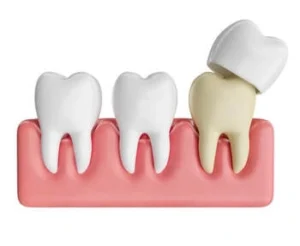 A dental crown protects the tooth by completely covering it. This reduces the chance of additional breakage, sensitivity or pain. Once the crown fits securely in place, the affected tooth is shielded from ongoing wear, pressure and exposure.
When a simple dental filling is not enough
Dental fillings work well for smaller chips or early decay. However, when too much tooth structure is lost, the filling material will not hold up over time. A dental cap or crown becomes the more reliable option, especially when the damaged tooth must withstand the pressure of chewing or grinding.
When a Dental Crown Is Recommended
A dentist may recommend a dental crown for broken tooth treatment when:
- A large portion of the tooth has broken off.
- The tooth is weakened after root canal therapy.
- There is deep decay that compromises strength.
- There are misshapen teeth affecting function or appearance.
- The tooth needs reinforcement around old or worn dental fillings.
- A crown is needed to complete a dental implant, dental bridge, or to replace missing teeth.
Crowns support both front teeth and back teeth. They help restore your smile while giving the tooth enough strength to handle daily use.
How a Dental Crown Protects the Tooth
A dental crown works by covering and supporting a weakened or damaged tooth. This added protection helps the tooth cope with everyday chewing and prevents the existing damage from getting worse. The points below outline the key ways a crown keeps the tooth stable and protected.
Crowns act like a strong protective shell.
A dental crown encases the whole tooth, extending from the biting surface down to the gumline. This protective layer absorbs chewing forces and prevents cracks from spreading. It also reduces sensitivity and prevents bacteria from reaching deeper layers of the tooth.
Restoring function for a healthy smile
With a well-fitted crown, chewing becomes more comfortable and balanced. The crown also helps maintain proper contact with the opposing teeth, reducing pressure on neighbouring teeth and supporting long-term oral health.
Giving the tooth a natural appearance
Custom crowns are made to match the colour and shape of your natural teeth. This provides a smooth, realistic look, especially when porcelain, ceramic, or zirconia crowns are used. Whether for front and back teeth, a crown can restore your smile without looking purely cosmetic.
Types of Dental Crowns and Their Advantages
Various crown materials offer different levels of strength, appearance and durability. Your dentist will recommend an option that suits the affected tooth, your bite and your dental concerns.
Porcelain crowns
These crowns blend well with natural teeth and are often chosen for the front teeth due to their natural appearance.
Ceramic crowns
Ceramic crowns are suitable for people wanting an entirely metal-free option. They offer a natural finish and work well for both front teeth and back teeth.
Metal crowns
Metal crowns are extremely strong and long-lasting. They are commonly used on back teeth that handle the highest chewing forces.
Porcelain fused to metal.
This type combines the strength of metal on the inside with a tooth coloured outer layer. It provides a balance of durability and appearance.
Zirconia crowns
Zirconia crowns are known for their high strength and durability. They are ideal for damaged or decayed teeth that need significant reinforcement. They are also suitable for people who prefer metal or zirconia crowns for their longevity.
Temporary crown vs permanent crown
A temporary crown is fitted to protect the tooth while your permanent crown is being crafted at the dental laboratory. It protects the tooth during this period and helps maintain the tooth’s shape and function. Once the permanent crown is ready, it is bonded securely to the tooth.
Understanding the Dental Crown Procedure
The dental crown procedure involves a series of steps designed to strengthen the damaged tooth and ensure the final crown fits comfortably and functions well. Each stage plays an important role in preparing the tooth, protecting it during the process and creating a long-lasting restoration.
Step 1. Examination and planning
Your dentist will assess the damaged tooth, check surrounding teeth and take images or impressions. This helps determine whether the tooth needs further treatment, such as root canal treatment or root canal therapy, before the crown is placed.
Step 2. Tooth preparation
To create space for the crown, the dentist reshapes the tooth. Tooth preparation removes weak or decayed teeth and gives the crown a stable foundation. This ensures the crown fits securely and supports the natural tooth structure.
Step 3. Impressions and custom design
A mould or digital scan is sent to a dental lab or dental laboratory where skilled technicians create the custom crown. This ensures the crown fits accurately, matches surrounding teeth, and supports proper bite alignment.
Step 4. Temporary crown placement
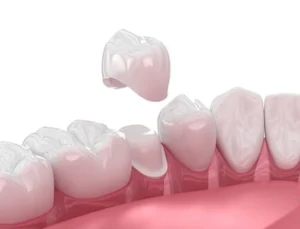 A temporary crown shields the tooth while the permanent crown is being made. It allows you to speak, eat and chew with comfort during the waiting period.
Step 5. Permanent crown placement
Once the custom crown is ready, your dentist will check the colour, shape and fit. When the crown fits properly, it is bonded securely to the tooth. The result is a strong and natural-looking restoration.
How Long Can Crowns Last With Proper Care
Crowns can last many years when supported by good hygiene, regular dental check-ups and gentle habits. Their lifespan depends on the material used, the location of the crown and how well the surrounding teeth are cared for. Avoiding habits such as biting hard objects, grinding or using teeth as tools helps protect teeth and maintain the condition of the crown.
If a crown feels loose or becomes damaged, it is important to see a dentist promptly. A loose crown may indicate wear, cement breakdown or changes in the underlying tooth.
Crowns After Root Canal Treatment
A tooth that has undergone root canal treatment often becomes weaker because more of the inner structure has been removed. Placing a dental crown helps protect the tooth from cracking and adds strength to restore normal function. This is especially important for back teeth that take on heavy chewing pressure.
Crowns for Replacing Missing Teeth
Crowns play a vital role in restorative and cosmetic dentistry. They are used with dental implants and dental bridges to help replace missing teeth. In a bridge, crowns are placed on the neighbouring teeth to support the artificial tooth in the middle. For a dental implant, a crown is attached to the implant fixture to act as a new tooth.
Caring for Your Crown and Natural Teeth
Looking after your crown is just as important as caring for your natural teeth. Good daily habits help keep the crown secure, protect the tooth underneath and maintain the health of the surrounding teeth and gums. The points below outline simple ways to preserve your restoration and support overall oral health.
Keep the area clean.
Brushing twice daily, flossing around the crown and cleaning near the gumline help prevent decay around the edges of the crown. Good hygiene protects the natural teeth nearby and helps the crown remain secure.
Attend regular dental check-ups.
Routine check-ups allow your dentist to monitor the crown, assess the natural tooth structure underneath and detect early signs of tooth decay or wear.
Avoid habits that stress the crown.
Chewing ice, opening packages with teeth or grinding can place too much pressure on the crown. Using a mouthguard at night can also help protect the tooth and prevent further damage.
When a Crown Might Be Necessary Instead of Other Treatments
A dental crown is recommended when the affected tooth requires more than a dental filling or when the entire tooth needs coverage. A crown protects weak teeth, restores misshapen teeth, supports a damaged tooth and prevents further damage caused by deep decay or fractures. It is a reliable solution when the goal is to protect the tooth while restoring your smile.
Final Thoughts on Choosing a Dental Crown for a Broken Tooth
 A dental crown for broken tooth treatment provides a long-lasting, realistic and comfortable way to restore both function and appearance. Whether the tooth is cracked, affected by decay, weakened after a root canal or showing signs of structural breakdown, a custom crown offers reliable protection and strength. With proper care, crowns can last for many years and help you maintain a healthy smile.
By reinforcing the tooth, recreating its natural appearance and preventing future issues, a crown supports your long-term dental health and daily comfort. If you notice pain, sensitivity or a crown feels loose, contact Dental 266 at 02 9051 0600 to book an appointment and ensure your tooth receives timely care.
Note: Any surgical or invasive procedure carries risks. Before proceeding, you should seek a second opinion from an appropriately qualified health practitioner.
References
Healthline. (2019, November 27). How often (and when) should you floss? Retrieved from https://www.healthline.com/health/how-to-floss
NHS. (n.d.). Root canal treatment. Retrieved from https://www.nhs.uk/tests-and-treatments/root-canal-treatment/
Cleveland Clinic. (n.d.). Dental crowns. Retrieved from https://my.clevelandclinic.org/health/treatments/10923-dental-crowns
Medical News Today. (2022, July 29). Temporary crown: Uses, procedure, and cost. Retrieved from https://www.medicalnewstoday.com/articles/temporary-crown