
Finishing clear aligner treatment is something many patients look forward to. You spend months wearing aligners for many hours a day, following instructions as closely as possible, and imagining that moment when you finally see your new smile. But for some patients, the end of treatment brings mixed emotions. You look in the mirror and realise your teeth aren’t perfect after invisalign. They are straighter, but not exactly how you expected. Some small gaps may remain, or your bite might feel a little off. You might notice other teeth that are not quite in the right place.
If this sounds familiar, you are not alone. Many patients experience this stage, and it is often a normal part of completing invisalign treatment. Teeth alignment is a complex process, and every person responds differently. The good news is that small imperfections can usually be corrected, and there are effective ways to fine-tune your results.
This article explains why invisalign results are not always perfectly aligned at the end of treatment, what can influence tooth movement, and what you can do if your teeth or bite still need improvement. With the right approach, you can continue moving toward aligned teeth, proper alignment and a confident smile.
Why Your Smile May Not Look Perfect After Invisalign
Several factors may affect your outcome. These reasons are common and often easy to manage.
Teeth Do Not Always Follow the Treatment Plan Exactly
Your treatment plan is designed to guide the movement of each tooth. It predicts how your teeth should shift with each set of invisalign aligners. However, tooth movement is not always predictable. Some teeth are more stubborn, especially rotated or crowded teeth. They may move more slowly or require more force to reach their intended position. Unlike traditional metal braces that apply constant pressure, clear aligners rely heavily on patient compliance. As a result, some teeth may not reach their perfectly aligned position by the planned completion date.
This does not mean the treatment failed. It simply means those teeth may need refinement, aligners, or additional aligners to respond fully.
Not Wearing Your Aligners Enough Hours a Day
The recommended wear time is essential. If you remove your aligners for long meals or social events, or forget to put them back after brushing, tooth movement slows down. Even small inconsistencies can cause teeth to shift differently from what was expected in your treatment plan.
Many patients do not realise how much influence wear time has on the invisalign journey. Wearing aligners for less than the recommended hours a day can lead to minor misalignment, bite issues or small gaps that remain after the main treatment.
Bite Issues May Still Need More Time
Your bite plays a major role in how your teeth look and feel. Straightening teeth is one part of the process, but ensuring that the upper and lower teeth meet correctly is just as important. Some bite issues require more than one round of clear aligners. If bite issues remain, your dentist might recommend small adjustments, additional aligners or refinement trays.
Examples include:
- Underbite or overbite not fully corrected
- Crossbite still visible
- Teeth feel slightly uneven when you bite down
Clear aligners do improve bite issues, but some cases require more time or different techniques.
Teeth Shifting After Treatment Ends
Once treatment ends, your teeth are still adjusting. They need support. Without wearing your retainer, your teeth can shift back into old positions. This is especially true during the first few months when the bone around the teeth is still stabilising.
Many patients notice slight movement because they stop wearing their retainer early. Retainers help ensure your teeth stay where your dentist placed them.
Clear Aligners Have Limitations
Clear aligners are impressive, but they cannot correct every orthodontic concern with the same level of control as traditional braces. Some tooth movements are more challenging with clear aligners, such as severe rotations, large spacing issues, or complex bite corrections.
This is why refinement trays or additional rounds of aligners are often part of the process. It is not unusual. It is simply a normal part of achieving proper alignment.
Common Concerns Patients Notice After Treatment
Many patients share similar thoughts once they reach the end of treatment.
My Teeth Look Straighter, but Not Perfectly Straight
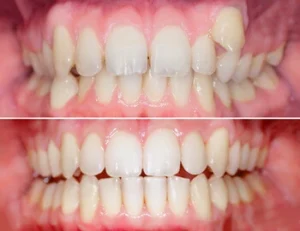
This is one of the most common observations. Teeth may look much better, but not perfectly straight or perfectly aligned. A minor twist, a small overlap, or a slight angle can be visible. This is usually corrected with small adjustments using additional aligners.
My Bite Still Feels Odd
Bite issues remain for many patients after treatment ends. It can feel like one side touches before the other, or certain teeth do not meet properly. These bite changes can be corrected with refinement aligners or minor shaping by your dentist.
I Still Notice Gaps or Some Crowding
If your gaps or mild crowding remain, you might need additional aligners to address them. This often happens when teeth respond differently than expected or if inconsistent wear affects progress.
My Teeth Moved After I Stopped Wearing My Retainer
Skipping retainer use even for a few days can allow teeth to start shifting. Wearing your retainer as instructed is one of the most important steps to prevent shifting and maintain a beautiful smile.
Why You May Need Refinements Even After Finishing Treatment
Many patients assume that once the main treatment ends, everything should be complete. But refinement aligners are incredibly common.
Why Refinement Aligners Are Needed
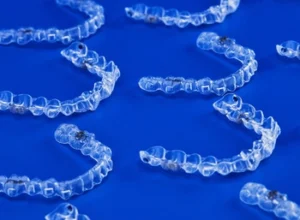 Refinement aligners help:
- correct minor tooth movement
- adjust bite issues
- close small gaps
- finish correcting crooked teeth
- fine-tune teeth alignment
They are considered a normal part of many invisalign journeys and help patients achieve the desired results.
Factors That Influence the Final Outcome
A range of factors can affect your final invisalign results.
The Complexity of Your Original Case
In some cases, such as severe crowding or significant bite issues, they naturally require more time. They may need additional aligners or multiple refinement rounds.
Oral Hygiene and Gum Health
Good oral hygiene is essential during aligner treatment. Plaque buildup and gum issues can slow tooth movement or affect how teeth settle. Regular dental check-ups help ensure your gums remain healthy throughout treatment.
Lifestyle Habits Affect Movement
Lifestyle choices such as grinding your teeth, drinking sugary drinks frequently or removing aligners too often can limit progress. These habits can irritate the gums, promote plaque buildup, and affect tooth movement.
Treatment Duration and Financing Factors
Some patients choose shorter treatment plans due to third-party financing or personal budget constraints. Shorter treatment plans may not fully correct bite issues or severe alignment problems, leaving minor imperfections after treatment ends.
How Your Dentist Helps You Fine-Tune Your Smile
If you feel your teeth or bite still need correction, your dentist may recommend several options.
Refinement Aligners for Final Adjustments
Refinement aligners help ensure proper alignment by adjusting any tooth movement that did not finish during the main treatment. Many patients need them, and they are part of achieving straight teeth and long-term oral health.
 The Importance of Wearing Your Retainer
 The Importance of Wearing Your Retainer
Wearing your retainer helps keep your teeth in their new position. Whether you use clear retainers or Hawley retainers, consistency is key. Retainers prevent shifting and protect your new smile.
Bite Adjustments After Treatment
Your dentist may recommend small polishing or shaping to help improve how your bite fits. This is done carefully to create a comfortable bite relationship.
Regular Check Ups Keep Your Smile Stable
Routine dental check-ups allow your dentist to monitor your smile, keep your gums healthy and ensure your teeth stay aligned. Good follow-up care helps prevent relapse and maintains oral health.
What You Can Do When Your Teeth Are Not Perfect After Invisalign
There are practical steps you can take to move closer to your perfect smile.
Wear Your Retainer Consistently
One of the most effective ways to prevent shifting is wearing your retainer every night. This keeps your teeth aligned and prevents gradual drift.
Communicate With Your Dentist
Tell your dentist about any concerns, such as slow progress, bite issues or crooked teeth that remain. They can assess whether you need additional aligners or adjustments.
Ask About Additional Rounds of Aligners
Additional rounds of treatment are common and often necessary for fine-tuning. These aligners address minor issues that the main treatment did not fully correct.
Maintain Good Oral Hygiene
Daily brushing, flossing and proper care support gum health and stable tooth movement. Cleaner teeth move more predictably and remain stable after treatment.
Give Your Bite Time to Settle
Some bite discomfort or unevenness improves naturally over weeks as the teeth settle into their new positions.
Moving Forward Toward Your Best Smile
The end of your aligner treatment is not the end of your journey. Most patients achieve excellent results, but some need further guidance to reach their desired results. When teeth alignment is slightly off or bite issues remain, simple and effective solutions are available. With your dentist’s help and proper care, you can continue making progress and enjoy a new smile you feel proud of.
Final Thoughts
 If you find yourself thinking my teeth aren’t perfect after invisalign, remember that it is a normal part of the process for many patients. Several factors affect tooth movement, and some require refinements to aligners, small adjustments, or improved retainer use. Your dentist can help you fine-tune your teeth alignment and support long-term oral health.
With patience, proper care, regular dental check-ups and a commitment to wearing your retainer, your smile can continue to improve. Every step brings you closer to aligned teeth, a healthier bite and a confident smile you can enjoy for years to come.
If you feel your smile needs further adjustment or you would like personalised guidance, you can book an appointment or contact Dental 266 on 02 9051 0600 for gentle, supportive care tailored to your needs.
References
Cleveland Clinic. (n.d.). Teeth retainer. https://my.clevelandclinic.org/health/treatments/10899-teeth-retainer
Health.com. (n.d.). How to improve gum health. https://www.health.com/how-to-improve-gum-health-11700953
American Association of Orthodontists. (n.d.). 7 common bite problems. https://aaoinfo.org/whats-trending/7-common-bite-problems/
Healthline. (n.d.). Does invisalign work. https://www.healthline.com/health/does-invisalign-work