

Dental implants are a widely preferred solution for replacing missing teeth, designed to restore a natural appearance, comfortable function, and long-term oral health. While implant treatment has a high success rate, problems can still occur. One of the most serious concerns is the development of an infection around a dental implant.
Understanding dental implant infection signs allows for early intervention, better outcomes, and a much lower risk of implant failure. This guide explains what to watch for, why implants get infected, and how prompt care protects long-term oral health.
How dental implant infections develop and why they matter
A dental implant infection occurs when bacteria build up around the implant site and begin to irritate the surrounding tissues. In the early stages, the infection may affect only the gum tissue. If left untreated, it can spread deeper and damage the bone that supports the implant.
Infections around a dental implant are often linked to poor oral hygiene, underlying health conditions, or complications during implant placement. Early detection is critical because infections are far easier to manage before significant bone loss occurs.
 Why dental implants can become infected
 Why dental implants can become infected
Dental implants depend on proper healing, allowing the implant to integrate securely with the surrounding bone. Anything that disrupts this balance can increase the risk of infection.
Common risk factors include inadequate oral hygiene, existing gum disease, uncontrolled diabetes, a compromised immune system, poor implant placement, and reduced blood flow to the area. Smoking, prior bone loss, and a history of oral health issues can also limit the body’s ability to heal effectively after a surgical procedure.
When bacteria reach the implant surface or the surrounding tissues, inflammation can develop and progress if left untreated.
Early dental implant infection signs to watch for
The early warning signs of an infected dental implant are often subtle. Many people mistake them for normal healing symptoms, which is why regular dental visits are so important.
Early signs may include gum irritation, redness around the implant site, tenderness when brushing, mild swelling, and implant bleeding. You may also experience an unpleasant taste or persistent bad breath that does not improve despite maintaining oral hygiene. Persistent pain that lingers beyond the expected healing period is another common sign.
Recognising these early signs allows for immediate attention and can prevent further complications.
When the infection becomes more advanced
As an implant infection progresses, symptoms become more noticeable and more serious. Swelling may increase, pain can become constant, and the gum tissue around the implant may begin to pull away.
In more advanced cases, signs of an infected implant include pus around the implant site, significant discomfort when chewing, and visible changes to the surrounding tissues. Bone loss around the implant may begin, weakening its stability.
At this stage, the risk of implant failure increases, and more intensive treatment may be required.
Understanding peri-implant mucositis and peri-implantitis
Not all implant infections are the same. Two key conditions affect dental implants.
Peri-implant mucositis is an early inflammatory condition affecting only the gum tissue around the implant. It is often reversible with proper care, professional cleanings, and improved oral hygiene.
Peri-implantitis is a more severe condition where inflammation extends deeper, affecting both the gum tissue and the bone around the implant. This condition can lead to lost bone structure, implant instability, and eventual implant removal if left untreated.
Knowing the difference highlights why early intervention matters so much.
Common signs of an infected dental implant
Signs of dental implant infection can vary from person to person, but several symptoms are consistently reported.
These include persistent pain, swelling around the implant, gum irritation, implant bleeding, bad breath, an unpleasant taste, and discomfort when biting or chewing. In severe cases, the implant may feel loose, indicating significant bone loss around the implant.
Any of these signs of infection should be taken seriously and assessed promptly.
How poor oral hygiene contributes to implant infection
 Oral hygiene plays a major role in implant health. Bacteria naturally form in the mouth every day. Without proper oral hygiene, plaque can accumulate around the implant and irritate the surrounding tissues.
Poor oral hygiene increases the risk of implant infection and gum disease, which can quickly spread around the implant site. Unlike natural teeth, dental implants lack a protective ligament, which can leave the surrounding tissues more susceptible to bacterial irritation and infection.
Maintaining excellent oral hygiene is essential for protecting both implants and natural teeth.
Health conditions that increase the risk of infection
Certain health conditions can affect the body’s ability to heal and fight infection. Uncontrolled diabetes can impair blood flow and slow the healing process. A weakened immune system reduces the body’s ability to respond effectively to bacteria.
Other health conditions that affect bone health or circulation may also increase the risk of infection after implant placement. Sharing your full medical history with your dental team helps reduce these risks and supports optimal oral health.
Why regular dental check-ups matter after implant placement
Regular dental check-ups play an important role in identifying potential problems at an early stage. Dental professionals can assess the implant site, surrounding tissues, and bone levels long before symptoms become obvious.
Regular dental visits allow for professional cleanings, early identification of peri-implant mucositis, and timely intervention if changes are detected. This proactive approach greatly lowers the risk of severe complications and implant failure.
How dental implant infections are treated
Treatment is determined by the extent and progression of the infection. Early infections may be managed with deep cleaning, improved oral hygiene, and antibiotic therapy to treat the infection and reduce inflammation.
In moderate cases, additional procedures may be required to clean the implant surface and remove infected tissue. In more advanced infections, surgical intervention such as flap surgery may be needed to access deeper areas around the implant.
In severe cases with significant bone loss, implant removal may be necessary. Bone grafting can sometimes restore lost bone structure before considering future implant treatment.
Managing infection and supporting healing
Managing infection requires a combination of professional care and patient commitment. Proper care includes maintaining good oral hygiene, attending regular dental visits, and following all aftercare instructions closely.
Professional cleanings help remove bacteria from hard-to-reach areas at home. Consistent oral hygiene at home supports the healing process and reduces the risk of reinfection.
Early intervention remains the most effective way to protect the implant and surrounding tissues.
Preventing dental implant infections long-term
Prevention starts before implant placement and continues for life. Choosing appropriate implant placement, addressing existing gum disease, and ensuring optimal oral health before surgery all reduce risk.
After surgery, excellent oral hygiene, proper care, and regular dental check-ups are essential. Avoiding habits that impair blood flow and healing supports long-term implant success.
Dental implants are intended to offer a long-term solution for replacing missing teeth, but they require regular care and ongoing attention to remain successful.
When to seek immediate attention
Any signs of infection around a dental implant should be evaluated as soon as possible by a dental professional. Persistent pain, swelling, implant bleeding, bad breath, or changes in how the implant feels all warrant professional evaluation.
Seeking immediate attention at the first signs of an infected dental implant greatly improves the chances of saving the implant and avoiding further complications.
Final thoughts on dental implant infection signs
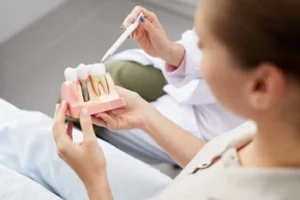 Dental implant infection signs should never be ignored. While implants are a reliable and effective way of replacing missing teeth, they require proper care and ongoing monitoring.
Understanding early warning signs, recognising risk factors, and committing to excellent oral hygiene protect both the implant and overall oral health. With early intervention, most implant infections can be managed successfully, preserving comfort, function, and confidence for years to come.
If you notice any signs of infection or have concerns about an existing dental implant, seeking professional advice early can make a meaningful difference. For personalised guidance and timely care, contact Dental 266 on 02 9051 0600 to book a consultation and protect the long-term health of your smile.
Note: Any surgical or invasive procedure carries risks. Before proceeding, you should seek a second opinion from an appropriately qualified health practitioner.
References
Cleveland Clinic. (n.d.). Antibiotics for tooth infections. Retrieved from https://my.clevelandclinic.org/health/treatments/antibiotics-for-tooth-infections
ScienceDirect. (n.d.). Implant failure. Retrieved from https://www.sciencedirect.com/topics/medicine-and-dentistry/implant-failure
Colgate. (2024, April 30). What is good oral hygiene?. Retrieved from https://www.colgate.com/en-gb/oral-health/adult-oral-care/what-is-good-oral-hygiene